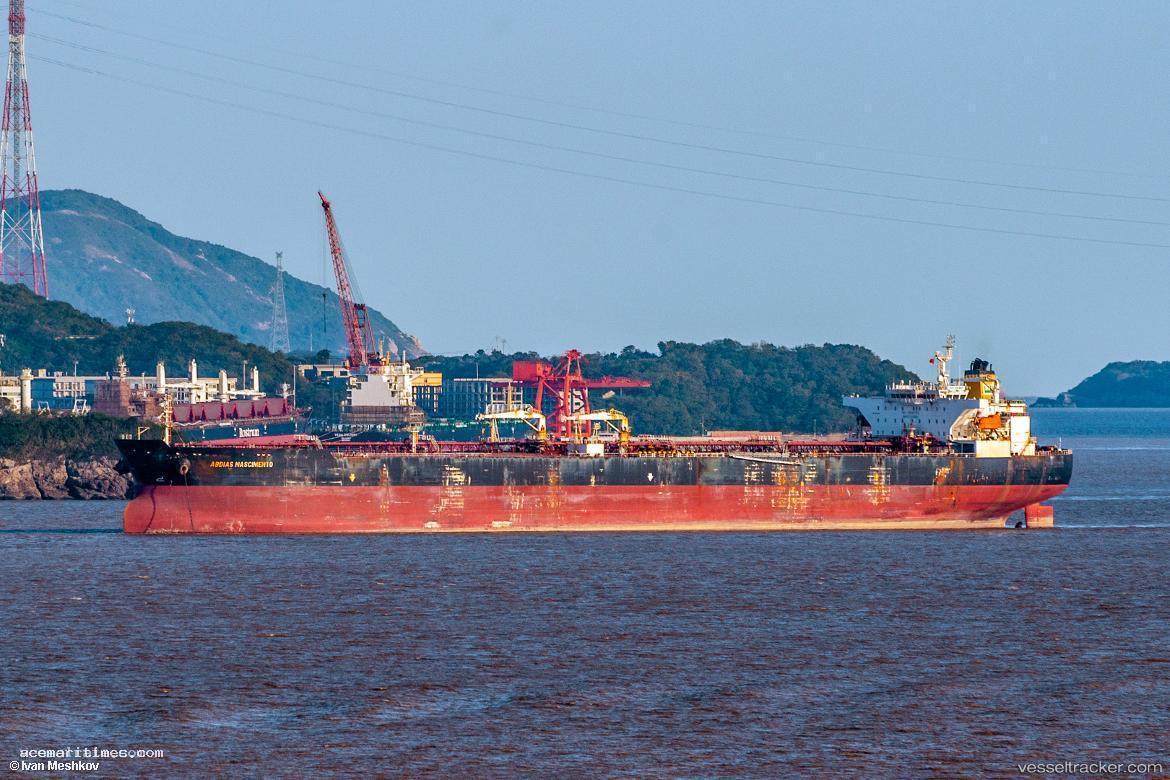
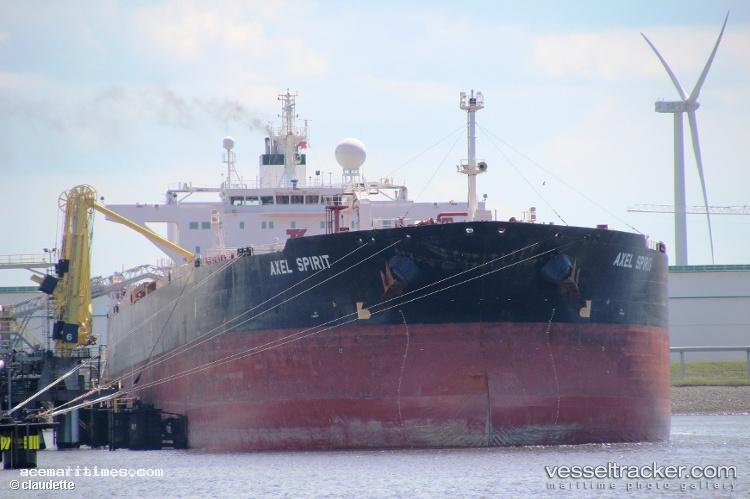
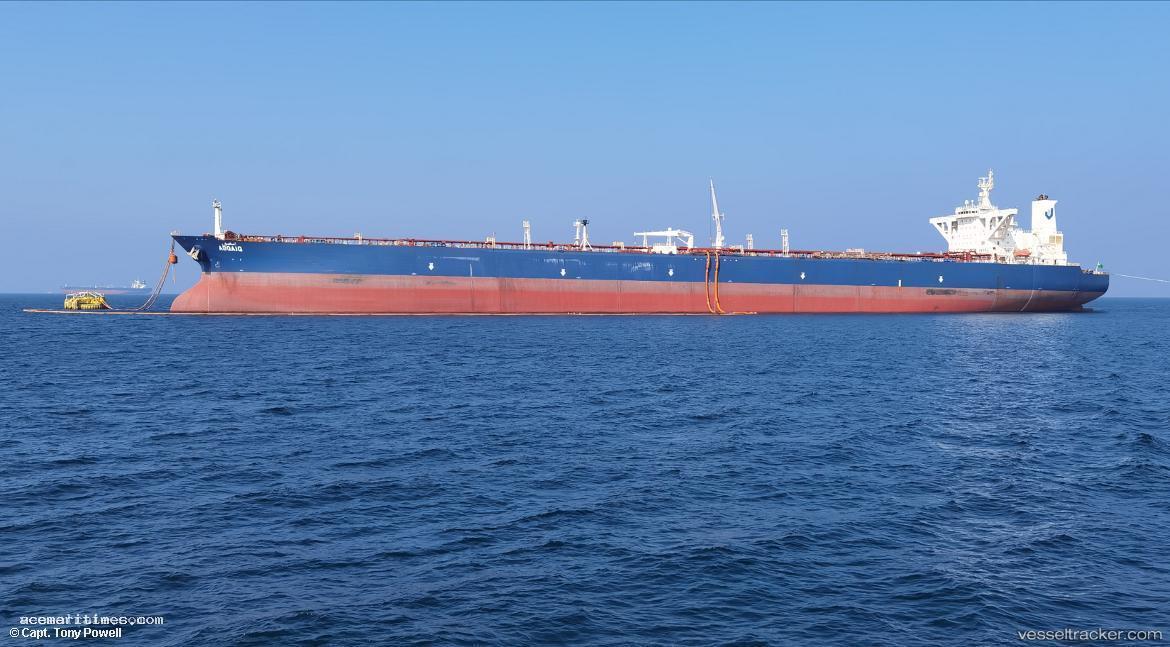
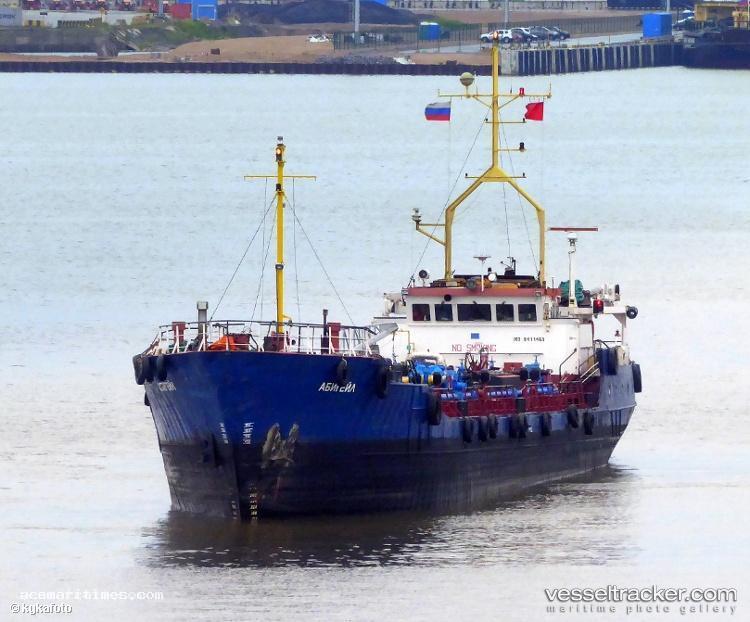
Read Authentic Ratings for the Anatoly-Kolodkin
IMO: 9610808
Crude Oil Tanker, Russia
Photos
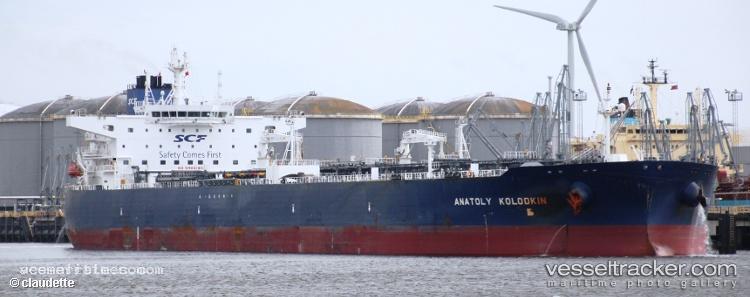
Vessel Details
MMSI
273253130
Callsign
UAAA7
Width
46.0 m
Length
250.0 m
Reviews (1)
Larry
2023-10-23
Position: Deck Hand
Advantages:
Looking for information about this vessel. Any thoughts on this boat? Any red flags?
Disadvantages:
No personal experience yet, just gathering info.
Featured Review Articles
Anatoly-Kolodkin - A Shadowy Passage Through Crisis
The 'Anatoly Kolodkin', a sanctioned Russian tanker operated by Sovcomflot, has become a pivotal player in the ongoing energy crisis in Cuba. The vessel, carrying approximately 730,000 barrels of crude oil, started its journey from Primorsky and trav...
Read Full ReviewLatest News (6)
Russian Tanker 'Anatoly Kolodkin' Arrives in Matanzas, Easing Cuba's Energy Crisis
In a significant development amidst an ongoing energy crisis, the United States government permitted the docking of the Russian oil tanker 'Anatoly Kolodkin' in Cuba. The vessel, which entered Cuban waters on March 30, was transported approximately 730,000 barrels of crude oil, crucial for the island's power needs. The arrival of the 'Anatoly Kolodkin' marks a key moment as Cuba grapples with energy shortages exacerbated by U.S. restrictions on fuel deliveries. On March 29, the tanker approached from Haitian waters, making its way towards the Matanzas port. Recent actions by Cuban officials indicate a willingness to collaborate with the U.S., including the allowance of fuel deliveries to the U.S. Embassy after previously announcing an intent to block such shipments due to the extensive U.S. embargo. The fuel delivered by the 'Anatoly Kolodkin' is expected to sustain Cuba's thermoelectric power plants for approximately one week, given that these facilities require around 100,000 barrels of oil daily. Currently, Cuba’s domestic oil production meets only about 40% of its energy demands. The unloading of the tanker commenced on March 31. It is anticipated that the processing and distribution of this oil will take between 25 to 35 days, as the country navigates its energy challenges in the wake of the U.S. blockade. For further details, see the full report here: https://gcaptain.com/russian-oil-tanker-begins-discharging-cargo-in-cubas-matanzas-terminal/
Sanctioned Tanker 'Anatoly Kolodkin' Navigates Caribbean with Crude Oil Shipment
The sanctioned vessel 'Anatoly Kolodkin' has been making its way through the Caribbean Sea, carrying a significant load of unrefined crude oil—around 730,000 barrels. After successfully crossing the Atlantic Ocean at an average speed of 11 knots, the tanker has recently adjusted its AIS signal, now charting a course directly toward Cuba. As of March 26, it was approximately five sailing days from reaching its destination. The last vessel to deliver crude oil to Cuba was the 'Ocean Mariner,' which arrived on January 9 with Mexican oil. Despite this shipment being crude oil, Cuba's current demand is primarily for diesel, raising questions about the ultimate destination of 'Anatoly Kolodkin.' It has been speculated that the tanker might head either to the oil logistics hub of Matanzas located in the northwest or to Cienfuegos, a south-central bay that houses a significant refinery. Previously, on March 16, the tanker transited through the English Channel and Ouessant Strait under the protective escort of the Russian Navy's Steregushchiy-class corvette 'Soobrazitelniy,' highlighting the strategic importance of this mission. In the meantime, a U.S. Navy Destroyer has been stationed in the waters north of Cuba, closely monitoring the situation. Experts have anticipated that the 'Anatoly Kolodkin' might disable its AIS as it nears the Cuban shores to conceal the precise discharge location. This shipment seems pivotal in addressing the ongoing fuel shortages in Cuba. While the Hong Kong-flagged tanker 'Sea Horse,' which was transporting diesel, has been rerouted to Trinidad due to mechanical issues, 'Anatoly Kolodkin' remains a key player as the foremost Russian energy vessel operating in the area.
Royal Navy Monitors Transit of Sovcomflot's Anatoly Kolodkin into the Atlantic
On March 19, 2023, the UK Royal Navy had its eyes on the Sovcomflot-operated tanker 'Anatoly Kolodkin' as it embarked on a significant journey carrying 730,000 barrels of Russian crude oil, recently loaded at Primorsky. To ensure a careful observation of the vessel’s transit through the English Channel, HMS 'Mersey', stationed in Portsmouth, was deployed along with a Wildcat helicopter for an intensive 48-hour tracking mission. During its passage through the Channel, the tanker was escorted by the Russian Steregushchiy-class frigate RFN 'Soobrazitelny', which later altered its course to return eastward. Notably, the 'Anatoly Kolodkin' falls under strict sanctions imposed by the United States, the United Kingdom, and the European Union, raising concerns about its destination, believed to be Matanzas. Marine General Francis Donovan, Commander of the Southern Command, confirmed on the same day that the U.S. military was also actively monitoring the tanker's movements, reflecting heightened vigilance and coordination among allied forces regarding maritime sanctions against Russia.
Sanctioned Tanker 'Anatoly Kolodkin' Sets Course for Cuba Amid Energy Crisis
The 'Anatoly Kolodkin', a sanctioned Russian tanker, departed from Primorsk, Russia, on March 8, 2026, and was spotted near Ouessant on March 18. This vessel, under the protection of the frigate 'Soobrazitelniy', is transporting over 700,000 barrels of Russian crude oil, destined for Cuba to help alleviate the island's dire energy shortages. It is anticipated that the tanker will reach Matanzas by the end of March, marking the first significant fuel delivery to the region in three months. This shipment is particularly significant given the backdrop of the Trump administration's naval blockade in the Caribbean, which has resulted in major oil supply reductions to Cuba, including a suspension of shipments from Mexico in February—the longest dry spell for fuel in the last 12 years. However, while the arrival of the Russian crude offers hope, immediate relief may be limited, as the Ural crude will require a refining process that typically takes 20 to 30 days. Nevertheless, the arrival of these 730,000 barrels is seen as a crucial support lifeline for Cuba, which relies heavily on fuel to maintain essential services such as healthcare and transportation. In a related development, the 'Sea Horse', another tanker carrying Russian crude oil to Cuba, has resumed its Atlantic voyage after previously halting due to U.S. embargo regulations.
UK Intensifies Efforts Against Russian Shadow Fleet with New Sanctions
On November 25, 2023, the UK government took a decisive step to combat illicit oil transport linked to Russia by imposing sanctions on 30 vessels, including the notorious 'Anatoly Kolodkin', known to be part of the Russian Shadow Fleet. This crackdown also extends to two Russian insurance firms, which have been implicated in facilitating these operations. The primary objective of these sanctions is to curtail Russia's ability to fund its ongoing military actions in Ukraine by reducing oil revenues, which have reportedly exceeded $4.3 billion over the past year through these tanker operations. With the latest sanctions, the total number of vessels targeted in the UK's initiative against the Russian shadow fleet has now reached 73—making it the most extensive sanctions list enacted by any country globally. The UK government is not alone in its efforts; as part of this international push, a coalition of 46 countries has rallied to support these actions against the shadow fleet. The vessels included in this sanctions list are notorious for engaging in deceptive shipping practices and are often poorly maintained, posing significant hazards to maritime safety and increasing risks for other shipping operations. By addressing these issues, the UK aims to enhance the safety of shipping lanes and eliminate unsafe traffic. The sanctioned insurance companies, Alfastrakhovanie PLC and VSK, will face severe restrictions, preventing any future collaboration with these firms and isolating them from global markets. Furthermore, all vessels on the sanctions list will be prohibited from entering UK ports. UK authorities retain the authority to monitor the movements of these vessels, with the option to detain them if necessary. These vessels will not be recorded on the UK Ship Register, and any existing registrations will be annulled. Interestingly, those vessels involved in transactions qualifying for the Oil Price Cap Exception will also be ineligible to benefit from any exemptions, further tightening the noose around illicit oil transport operations linked to Russia.
US Targets 14 Sovcomflot Tankers Over Price Cap Violations
In a significant move against Russian maritime operations, the United States has placed sanctions on 14 tankers belonging to the Russian shipping giant Sovcomflot. The vessels affected include 'Anatoly Kolodkin,' 'NS Antarctic,' 'NS Lion,' 'NS Consul,' 'NS Burgas,' 'NS Captain,' 'NS Columbus,' 'Sakhalin Island,' 'Nevskiy Prospect,' 'Georgy Maslov,' 'Liteyny Prospect,' 'Krymsk,' 'NS Creation,' and 'NS Bravo.' These ships have been granted a 45-day period to offload their oil and other cargo, a directive coming in response to allegations of breaching the crude price cap that was enforced in December 2022. Sovcomflot’s fleet has been under scrutiny for months, as multiple reports highlight its involvement in clandestine shipping practices, including ship-to-ship (STS) oil transfers and the disabling of Automatic Identification Systems (AIS). This shadowy operation has continued to expand, drawing attention from international regulators. The U.S. Treasury's Office of Foreign Assets Control (OFAC) has specified that these 14 vessels are linked to Sovcomflot, particularly focusing on 12 ships managed by Oil Tankers SCF Management FZCO. This management entity arose following the forced redistribution of Sovcomflot’s fleet due to international sanctions. The sanctions against Sovcomflot have been in place since 2022, initially targeting financial transactions related to long-term debts or fresh share issues. While the 14 designated ships face strict limitations, the OFAC has indicated that the vast majority of Sovcomflot’s other tankers—totaling 147 vessels—remain operational for oil traders without facing repercussions. Notably, the oil price cap aims to restrict the revenue that Russia generates from crude oil sales while maintaining global market stability. Reports indicate that Russia sold its oil at a $19 discount per barrel this January compared to the international Brent benchmark, equating to a significant revenue loss of 25%. Moreover, despite this decline in revenue, Russian military expenditures have surged by 60%, prompting criticisms about the effectiveness of the monitoring measures in place. Interestingly, as of December 2023, 196 tankers identified as part of the clandestine fleet navigated away from Russian ports. Additionally, a rise in new shipping companies based in the United Arab Emirates has begun transporting Russian crude since November 2023. Since the implementation of the price cap in October, the U.S. Treasury has levied sanctions on 27 oil companies for similar violations, marking an escalated effort to diminish Russia's oil revenue.
Frequently Asked Questions
🌊 Did Anatoly-Kolodkin sink or have any sinking incidents?
Based on available news reports, Anatoly-Kolodkin has been mentioned in connection with sinking-related incidents. There have been 2 news reports mentioning sinking incidents. For detailed information about specific incidents, please refer to the latest news section above.
🚫 Are there any sanctions against Anatoly-Kolodkin?
Based on available news reports, Anatoly-Kolodkin has been mentioned in connection with sanction-related incidents. There have been 6 news reports mentioning sanctions. For detailed information about specific incidents, please refer to the latest news section above.
⚙️ Did Anatoly-Kolodkin have any engine problems?
Based on available news reports, Anatoly-Kolodkin has been mentioned in connection with engine-related incidents. There have been 1 news reports mentioning engine problems. For detailed information about specific incidents, please refer to the latest news section above.
🛢️ Did Anatoly-Kolodkin have any oil spills or pollution incidents?
Based on available news reports, Anatoly-Kolodkin has been mentioned in connection with spill-related incidents. There have been 6 news reports mentioning spills. For detailed information about specific incidents, please refer to the latest news section above.
Add a Crew Review
Similar Vessels You Might Be Interested In