Crew Reviews, Ratings & Info for Arctic-Metagaz
IMO: 9243148
Lng Tanker, Russia
Photos
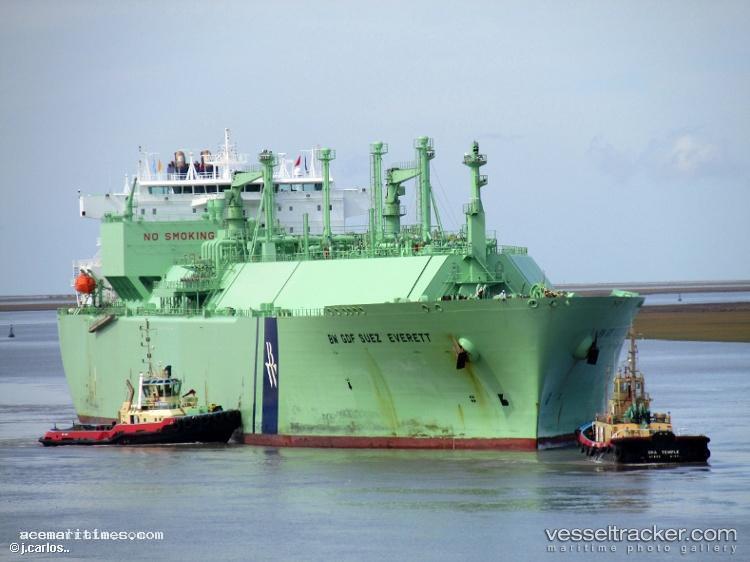
Vessel Details
MMSI
273262840
Callsign
UAFC8
Width
42.0 m
Length
277.0 m
Reviews (1)
Tyler
2024-06-14
Position: Wiper
Advantages:
Looking for information about this vessel. Has anyone worked on this vessel? How was the atmosphere onboard?
Disadvantages:
No personal experience yet, just gathering info.
Featured Review Articles
Drifting Towards Uncertainty: The Challenges of the Arctic-Metagaz
The drifting wreck of the Arctic-Metagaz has become a growing concern in the central Mediterranean. Official reports indicate that salvage and towing operations have been terminated, leaving the vessel adrift at its last known position of 33.25° N, 1...
Read Full ReviewNavigating Uncertainty: The Odyssey of the Arctic-Metagaz Off Libya
The Arctic-Metagaz, a liquefied natural gas tanker, has become synonymous with maritime uncertainty over the past months. After experiencing structural challenges and dramatic weather conditions, the vessel has recently been reported anchored off Lib...
Read Full ReviewNavigating the Crisis: The Perilous Situation of the Arctic-Metagaz in the Mediterranean
The situation surrounding the Arctic-Metagaz, a Russian LNG tanker, has escalated to a state of emergency as it drifts perilously close to Libya's essential offshore oil and gas infrastructure. With the vessel approximately 35 nautical miles off the...
Read Full ReviewMystery and Danger Surround Arctic-Metagaz’s Tragic Fate
The maritime world was shaken on March 3, 2026, when the gas carrier Arctic-Metagaz faced a catastrophic explosion that sent flames skyward and ultimately led to its sinking in the Mediterranean Sea. Departing from Murmansk on February 24 with a carg...
Read Full ReviewNavigating Challenges: The Arctic-Metagaz and the Future of Sanctioned LNG Shipping
The Arctic-Metagaz has recently come into focus as part of Russia’s ongoing efforts to export liquefied natural gas (LNG) despite international sanctions that have significantly impacted its energy sector. This non ice-class tanker, serving the Arcti...
Read Full ReviewArctic-Metagaz - A Ghost Ship's Perilous Drift Near the Libyan Coast
The situation surrounding the Arctic-Metagaz has escalated dramatically over recent weeks, transforming it into a ghost ship adrift in the Mediterranean Sea. As of April 23, the vessel was officially classified as Not Under Command (NUC) and found it...
Read Full ReviewLatest News (24)
Forensic Investigation Underway on the Arctic Metagaz Tanker in Libya
On May 25, 2023, a thorough investigation of the tanker 'Arctic Metagaz' was undertaken by the Russian Investigative Committee near Benghazi, Libya. This initiative is part of an ongoing forensic probe into the incidents surrounding the vessel. A dedicated team, supported by officials from the Russian Ministry of Foreign Affairs and the Ministry of Defense, flew to Libya to conduct an extensive examination of the ship using advanced technology including unmanned aerial and underwater vehicles. This operation was aided by the tug 'Icdas 1'. The investigators have successfully gathered evidence revealing significant fire damage, and critical destruction of the vessel’s control systems, alongside the devastating loss of two out of four LNG tanks. According to the Committee, these findings suggest that the vessel experienced an explosive attack, with reports claiming the incident occurred on March 3 off the coast of Malta, allegedly orchestrated by drones and unmanned boats equipped with explosives. Notably, the team was able to recover the vessel’s data recorder, which is now set to undergo a detailed computer-technical analysis. Fortunately, the crew members, including the 2nd mate and a sailor who sustained injuries from the initial blast and subsequent fire, have received necessary medical care. They have since been successfully repatriated to Murmansk. Positively, the inspection of the 'Arctic Metagaz' did not reveal any signs of environmental contamination or fuel leakage, ensuring a commitment to ecological safety following the incident. For detailed images and videos from the site examination, visit: https://pressa24.ru/25/05/2026/na-gazovoze-arktik-metagaz-kotoryj-ukraina-v-marte/ and https://vkvideo.ru/video-49878783_456258346.
Recovery of VDR from Damaged LNG Tanker Sparks Investigation
Russian investigators have commenced a detailed analysis of the voyage data recorder (VDR) from the 'Arctic Metagaz'. This crucial piece of evidence was retrieved from the wreck during a meticulous operation bolstered by the collaboration of Russia’s Foreign Ministry and Defence Ministry. Utilizing advanced drones and underwater vehicles, specialists conducted an inspection off the coast of Libya. Their findings revealed substantial fire damage, the complete failure of the ship’s control systems, and notable destruction to two of the tanker’s four liquefied natural gas (LNG) tanks, suggesting a violent external assault with explosive devices. Remarkably, the inspection confirmed the absence of any fuel leaks or environmental hazards. Investigators have indicated that the vessel was allegedly targeted by at least two unmanned aerial vehicles and multiple unmanned boats laden with explosives. Despite their efforts, independent verification of the incident remains sparse. In response, Russian authorities have initiated a criminal investigation under Article 361 of the Russian Criminal Code. The 'Arctic Metagaz', notably part of Russia’s sanctioned shadow fleet, has been actively involved in transporting LNG cargoes. For more insights and images, visit: https://www.marineinsight.com/russia-recovers-black-box-from-damaged-lng-tanker-after-mediterranean-drone-attack/
Arctic Metagaz Tanker Stabilized Off Libya After Two-Month Drift
The 'Arctic Metagaz', a Russian LNG tanker, has finally anchored at coordinates 32° 25'N, 020° 08'E, positioned approximately eight nautical miles from Daryanah and 18 miles north-northeast of Benghazi. This marks a significant development after a two-month voyage adrift across the central Mediterranean. The successful anchoring indicates that Libyan authorities have managed to secure the vessel following a series of unsuccessful towing attempts. As of April 30, the tanker was located about eight nautical miles northwest of Daryanah, maintaining a steady position for several days. Reports from Libya’s National Oil Corporation suggest that much of the gas remaining aboard may have leaked, which could potentially mitigate immediate hazards. Authorities are now preparing plans to extract residual diesel fuel and transfer it to a different vessel. The Arctic Metagaz, having faced weeks of harsh weather and structural challenges, raises questions about whether thorough inspections have been conducted. Currently, the management of this operation appears to lie with officials in eastern Libya, introducing uncertainty regarding coordination and the technical capabilities necessary for a sustainable resolution. Additionally, following the incident, Russia has altered the course of its shadow fleet of LNG carriers, steering clear of the Mediterranean in favor of longer routes around southern Africa to minimize security risks.
Arctic Metagaz Anchors Off Libya After Two-Month Drift Amid Safety Concerns
The tanker Arctic Metagaz has successfully anchored off the eastern coast of Libya, potentially concluding a tumultuous two-month journey across the central Mediterranean. The vessel has been positioned approximately 18 nautical miles north-northeast of Benghazi for several days, signaling that Libyan authorities have managed to stabilize it following multiple unsuccessful attempts to tow the tanker to safety. On April 30, the Arctic Metagaz was located about eight nautical miles northwest of Daryanah. The National Oil Corporation of Libya has reported that a significant amount of gas on board may have leaked, which could lessen the immediate hazards associated with the vessel. Authorities are now preparing to remove the remaining diesel fuel and transfer it to another ship. The Arctic Metagaz has faced adverse weather and structural challenges throughout its ordeal, and it remains uncertain whether thorough inspections have been conducted. Control over the operation appears to lie with eastern Libyan authorities, which raises concerns regarding the coordination and technical expertise required for a sustainable resolution to the situation. In the wake of the incident, Russia has adjusted its operations, rerouting its fleet of LNG carriers away from the Mediterranean and opting for longer passages around southern Africa to mitigate potential security risks.
Ghost Ship Arctic Metagaz Found Off Libyan Coast
On April 29, 2023, the 'Arctic Metagaz' was spotted at coordinates 32° 25' N, 020° 08' E, approximately eight nautical miles northwest of Daryanah and 18 miles north-northeast of Benghazi. The harbor tug 'Julyana 2' has returned to port, leaving the 'Arctic Metagaz' adrift and unattended once more. Local authorities report a shortage of technical resources to manage the situation, raising concerns about the potential grounding of the vessel in the shallow coastal waters of the Cyrenaica region without prompt international assistance.
Drifting Maritime Hazard Near Benghazi: m'Arctic Metagaz
On April 28, the tanker m'Arctic Metagaz posed a significant risk as it was found drifting perilously close to the coastline, approximately 22 nautical miles northnorthwest of Benghazi at coordinates 32° 29' N 019° 58' E. Over the course of four days, the vessel had drifted a staggering 65 nautical miles following the failure of its last towline. In response to this urgent situation, the tugboat Julyana 2, identified by IMO number 1066013, has been dispatched from Benghazi and is currently working to secure the drifting tanker, mitigating the potential threat to maritime safety in the region.
Arctic Metagaz Drifts Adrift Again Amidst Harsh Weather Conditions
The 'Arctic Metagaz' found itself in distress once more on April 23, as it was declared Not Under Command (NUC) and drifting uncontrollably. This situation arose after the towing line snapped again on the afternoon of April 22, a casualty of severe weather conditions. The tugboat 'Maridive 701', which had been providing assistance, was forced to leave the scene due to its own technical issues as it navigated westsouthwest. Consequently, the tanker is left adrift at a precise location of 33° 60'N, 020° 02'E, approximately 120 nautical miles north of Benghazi. In response to this precarious situation, Libyan authorities have issued an urgent advisory for all vessels to maintain a safety distance of 5 nautical miles from the drifting tanker.
Ghost Tanker 'Arctic Metagaz' Drifts Adrift in Mediterranean Challenges
The situation surrounding the vessel 'Arctic Metagaz' has escalated in the central Mediterranean, particularly near the Cyrenaica coast, which is located north of Benghazi and Al Marj. This tanker has found itself stuck amid adverse weather conditions related to a potent southeasterly wind known as 'Sirocco.' Recent meteorological data indicates that wind gusts have reached over 20 knots, leading to increased wave heights, causing severe mechanical stress on the towlines connected to the vessel. The main towing unit, 'Maridive 701', has faced difficulties and may have either disconnected or sustained a towline failure. As a consequence, the 'Arctic Metagaz' has been pushed northwest, moving away from Libya's eastern coastline and drifting into open waters, approaching crucial commercial shipping lanes situated in the Gulf of Sirte. On April 17, the tanker was located at position 34.0 N 20.03 E, with the tug 'Maridive 701' remaining on standby to monitor the vessel despite the ongoing challenging weather conditions.
Towing Operation Underway for Arctic Metagaz Wreckage
On April 11, the Arctic Metagaz was located at coordinates 33.53°N 019.99°E, approximately 70 to 90 nautical miles north of Benghazi in the central Mediterranean. The uncrewed vessel was under tow, making a slow progression northward at around 1 knot speed, characterized by frequent stop-and-go maneuvers signaling a significant load strain. This operation followed a critical drift incident on April 9, where the Arctic Metagaz came alarmingly close to the Sidi Khalifah coastline, just 16 nautical miles offshore. Fortunately, intervention teams managed to re-establish the towing connection successfully. The primary vessel involved in the towing efforts is the offshore supply ship Maridive 701, with support from two harbor tugs, Julyana 2 and ICDAS 1. Monitoring operations, along with maritime traffic management, are being overseen by the patrol vessel TBZ 15, which is navigating without active AIS transmission. Recently acquired high-resolution visual telemetry has enabled a thorough analysis of the significant structural breach in the hull of the vessel. Although the Arctic Metagaz remains compromised, it is currently stable in calm sea conditions. However, a shift in meteorological conditions is anticipated, starting the evening of April 11 and extending through April 14, with strengthening southeasterly 'Sirocco' winds predicted to elevate swell and surface currents. For more details and visuals, visit the full report: https://www.maltatoday.com.mt/news/national/140916/a_distant_war_a_russian_wreck_and_a_mediterranean_problem_
Drifting Wreck of Arctic Metagaz Moves Away from Malta
As salvage and towing efforts cease for the Arctic Metagaz, the ill-fated vessel is now adrift in the central Mediterranean, last recorded at coordinates 33.25° N, 18.77° E—approximately 93 nautical miles northwest of Benghazi. Recent shifts in weather patterns have redirected its drift eastward, moving it further away from Malta's Search and Rescue (SAR) boundaries and deeper into the eastern Mediterranean. The offshore tug Maridive 701 remains on high alert, strategically positioned at a safe distance to monitor the wreck’s movement. Active intervention has been halted, raising concerns about the vessel's condition. Investigative reports from sources like RFI and Euronews are shedding light on the vessel's initial structural failure, with new evidence suggesting a shift in the narrative from a simple technical malfunction to a kinetic strike. Reports indicate that an Uncrewed Surface Vehicle (USV), allegedly operated by Ukrainian military specialists in Libya, was involved in this incident. With the Arctic Metagaz suffering significant structural damage, experts warn that the vessel is likely to deteriorate further due to ongoing wave stress. Furthermore, its cargo of Liquefied Natural Gas (LNG) and around 900 tons of heavy propulsion fuel pose a serious environmental threat to the surrounding waters.
Malta Monitors Drifting Tanker 'Arctic Metagaz' Amid Salvage Operation Challenges
The Armed Forces of Malta (AFM), in partnership with various EU agencies, have been closely tracking the movements of the 'Arctic Metagaz' using advanced surveillance systems. They have issued navigational warnings to local mariners and fishermen as needed. Notably, the situation does not involve search and rescue operations but is classified as a salvage effort in international waters. The AFM emphasized that any assertion linking this to Malta's search and rescue duties is both misleading and incorrect. Ongoing international sanctions against the vessel have complicated the salvage operation, while Libya lacks the necessary facilities to manage the wreck. As of April 1, aerial photographs indicated that tugs deployed by Libyan authorities were stationed at the site, actively preventing the tanker from drifting towards the coast. Over recent days, the tanker was relocated to a position approximately 105 nautical miles north-northeast of Misrata. However, the towing attempt faced a setback on April 2 at around 04:00 a.m. when operations were officially halted due to severe weather conditions, including winds reaching 40-50 knots and wave heights of up to five meters caused by the deep low-pressure system named Erminio. The weather in the central Mediterranean is predicted to deteriorate further, with gusts potentially reaching up to 46 knots and waves remaining high until April 3. For further information, including reports with photos and videos, visit the following links: https://www.maltatoday.com.mt/news/national/140715/arctic_metagaz_is_outside_maltas_sar_but_military_is_monitoring_vessel_afm_says and https://maritime-executive.com/article/malta-monitoring-hulk-of-russian-lng-carrier-after-libya-towed-it-to-sea.
Libya Halts Salvage Operations for 'Arctic Metagaz' Amid Environmental Concerns
In a recent development, Libyan authorities appear to have ceased salvage operations for the 'Arctic Metagaz', a LNG tanker that has posed significant risks in the central Mediterranean region. As officials coordinated a convoy of tugs, including the offshore tug 'Maridive 701', the operation initially steered the vessel north-northeast, away from sensitive oil and gas infrastructure near Misrata. By March 30, the convoy had managed to position the 'Arctic Metagaz' approximately 80 to 86 nautical miles north-northeast of Misrata, placing it firmly in international waters and approaching the outer boundary of Malta’s Search and Rescue (SAR) area, which commences at roughly 34 degrees north latitude. The current coordinates of the vessel, around 33.75° N, have sparked speculation regarding the potential shift of operational responsibility back to Malta. Contrary to prior expectations that the 'Arctic Metagaz' would be directed towards a Libyan port, such as Misrata, for stabilization and cargo assessment, the convoy has instead been navigating away from ports equipped to manage such operations. This change in direction underscores the growing concerns regarding the vessel's structural integrity and the unpredictable nature of its cargo. The International Crisis Group has flagged this operation as particularly hazardous, noting the environmental risks posed by the tanker and the logistical challenges of safely securing and offloading its contents under unstable conditions. Weather forecasts further complicate the situation, with a severe storm system anticipated from April 1 to 3, potentially bringing winds gusting to 46 knots and wave heights reaching five meters. These extreme conditions could jeopardize towing lines and heighten the chance of losing control of the vessel. After successfully relocating the wreck over 105 nautical miles north-northeast of Misrata, Libyan authorities declared on April 1 their decision to abandon salvage efforts. The week-long towing operation may have exacerbated existing structural issues, raising the likelihood of seawater entering additional compartments. Although moving the 'Arctic Metagaz' further offshore has mitigated immediate risks to the Libyan coastline, the pressing question of who will assume responsibility for salvaging the vessel remains unanswered. Current wind patterns may drive the vessel north-northeastward, potentially reverting control back to Malta's SAR zone, complicating an already fraught situation.
Expert Analysis on the Rescue Operations of the Arctic Metagaz Tanker
Sylvia Tervoort-ter Haar, a prominent salvage expert and master at SMIT Salvage, with a background as a ship officer and engineer on chemical tankers, is closely analyzing the precarious situation surrounding the crippled tanker 'Arctic Metagaz'. Having spearheaded over 25 significant salvage operations, including the iconic salvage of 'Costa Concordia', Tervoort-ter Haar identifies the 'Arctic Metagaz' as an immense safety challenge for salvors. Before boarding the vessel, crucial data must be collected. This incident transcends mere salvage efforts and has significant political implications regarding which country may take charge and the accountability for the vessel, including the pressing question of insurance coverage. Salvage companies might delay involvement until clarity regarding payment arises. The complexities increase with the planned STS (Ship-to-Ship) transfer of LNG, which demands temperatures of -162°C. The current state of the tanker's loading systems seems critically compromised, impeding any potential LNG transfer. With a severely damaged hull listing dangerously, multiple tanks have already ruptured, and others remain uncertain. Without operational engines, LNG will begin to evaporate, creating an odorless and colorless steam cloud that poses additional hazards. This cloud, if ignited, could become invisible, complicating rescue efforts. Boarding the vessel without adequate information is a life-threatening proposition. Tugboat operations risk igniting this volatile steam cloud, while helicopters are inadvisable unless precise details about the cloud's size and wind conditions are established. The Libyan authorities now carry a heavy burden amidst inadequate data about the ship's state, with the potential for further explosions looming. There are also penalties for salvage companies involved with sanctioned vessels, such as temporary account freezes, making any interaction with the 'Arctic Metagaz' fraught with complications unless there is reassurance from the UN or IMO. Should operations commence, Tervoort-ter Haar would employ drone technology to gather vital information, including gas analysis, temperature assessments, and hull recordings. AI-driven models to evaluate the steam plume behavior would also play a crucial role. The LNG tanks’ status is critical; any contact with the steel hull or seawater could trigger rapid phase change, leading to explosive expansion and severe structural damage, risking the vessel's stability. Natural evaporation of the LNG vapor cloud could take weeks, raising ongoing safety concerns. In the event of leaks, liquid heavy fuel oil could be skimmed in favorable weather, while diesel fuel is likely to evaporate and disperse swiftly. Releasing methane from LNG poses a significant environmental risk, particularly regarding its greenhouse gas effects, although damage to marine ecosystems in the Mediterranean could be less severe compared to other hazardous substances. If a decision is made to scuttle the 'Arctic Metagaz', significant conflicts could arise among stakeholders, with varying stances from Libya and neighboring countries based on environmental repercussions and accountability for potential damages. Tervoort-ter Haar emphasizes that while LNG tanker operators typically exhibit confidence in their vessels’ safety, unconventional risks such as sabotage or warfare must be factored into future assessments. After conducting extensive research in this area, she concludes that satisfactory salvage of LNG tankers is feasible only when they are entirely intact and empty of LNG—conditions that the 'Arctic Metagaz' currently does not meet. As it drifts northwest approximately 65 kilometers off the coast, the Municipality of Zuwara remains vigilant, monitoring the evolving situation in real-time in collaboration with relevant authorities. For further details, visit: https://libyaobserver.ly/news/stricken-russian-vessel-heads-northwest-away-coast
Tanker 'Arctic Metagaz' Drifts Off Zuwara, Libya Amid Environmental Concerns
The 'Arctic Metagaz,' currently adrift approximately 35 nautical miles off the coast of Zuwara, Libya, remains free of visible oil leaks as it drifts through the central Mediterranean. The vessel’s erratic journey has seen it navigate from waters near Malta, veer westward towards Lampedusa, and then southward along Libya's coastline, passing close to the Sabratha and Bouri offshore platforms before settling in its current location northwest of Zuwara. Initial estimates from coast guard sources placed the vessel about 48 nautical miles northeast of Zuwara, moving at a leisurely pace of 1.1 knots under the influence of currents and winds. In response to the situation, several Libyan naval assets—including Coast Guard ships, the National Oil Corporation (NOC), and other energy sector operators—have been mobilized to secure the tanker and mitigate potential environmental impacts. Recently, the NOC announced the signing of an emergency contract with a specialized international firm, in partnership with its joint venture Mellitah Oil & Gas and the energy giant Eni. This initiative aims to safely recover the tanker and minimize any risks of marine pollution by towing it to a secure port. To further coordinate the response, Libyan authorities have engaged in an inter-agency effort involving various ministries, the Coast Guard, and port authorities. Meanwhile, both Italy and Malta are keeping a close watch on the situation through aerial surveillance, as the surrounding area continues to be designated as a high-risk zone for navigation. Vessels transiting this region are strongly advised to steer clear of the drifting tanker.
Arctic Metagaz Wreck Drifting Alarmingly Close to Key Libyan Oil Field
The 'Arctic Metagaz' has been propelled by powerful northern winds, completely exiting the Strait of Sicily and drifting into the Libyan Economic Zone (EEZ). Its current position places it alarmingly close to Libya's vital offshore oil and gas sites, including the significant Bouri Field and the Mellitah complex. These offshore platforms serve as essential junctions for gas pipelines extending to Italy and other parts of Europe, notably the GreenStream pipeline. In response to the escalating situation, the Libyan government has called for an urgent high-level meeting involving the National Oil Corporation (NOC) and the Coast Guard. The tanker 'Jupiter' is reportedly monitoring the situation, remaining in close proximity to the wreck. As of March 21, at approximately 05:06 a.m., the Arctic Metagaz was identified drifting at coordinates 33.57592 N, 12.99196 E, at a speed of 0.6 knots, about 41 nautical miles from the Libyan coast. Wind conditions at the time were measured at 6 knots from the east-northeast. To address the potential threat, on the same day, Libya's NOC finalized an agreement with an international salvage firm to secure the drifting Russian LNG tanker. The emergency operations are being coordinated through Mellitah Oil & Gas, in active collaboration with Italy’s ENI, aiming to safeguard both the Bouri Field and the integrity of the GreenStream pipeline from potential damage.
Explosion on Arctic Metgas: Details and Speculations Arise
On March 3, a catastrophic explosion aboard the 'Arctic Metgas', a sanctioned gas carrier, has been labeled terrorism by Russia's Ministry of Transportation. The incident, which occurred off the coast of Libya, resulted in a tremendous fireball and ignited a fire on the vessel. The Ministry has accused unmanned Ukrainian boats of carrying out the assault, a claim that Ukrainian officials have not directly addressed. However, Serhii Sternenko, an official from Ukraine's Ministry of Defense, remarked online that 'this is, of course, not us. The attack was by unknown drones.' Experts have pointed out the significant distance between Ukraine and the scene of the incident, leaving uncertainty around the drone's launch point. Following the explosion, Libyan authorities announced on March 4 that the 'Arctic Metgas' had entirely sunk, warning of hazardous debris scattered across the maritime area between Libya and Malta, approximately 130 nautical miles north of Sirte and east of Tripoli. The vessel, loaded with 62,000 tons of LNG, had one of its tanks breached during the explosion, raising concerns about potential further LNG leakage. Images captured by nearby vessels depicted the enormous fireball followed by flames engulfing the tanker. A cargo ship in close proximity was dispatched to assist and successfully rescued the 30 crew members who had abandoned ship in a life raft around 7:30 p.m. local time. The 'Arctic Metgas' had been in controversial waters for quite some time, sanctioned by the United States in August 2024 due to its role in the Arctic LNG 2 project, and later by the EU and UK in 2025. Operating within the clandestine shadow fleet since 2023, the vessel switched to a Russian flag in 2025 and is believed to have been en route to China.
Explosion Leads to Sinking of LNG Carrier 'Arctic Metagaz' in Mediterranean Sea
In a dramatic incident on March 3, 2026, the LNG carrier 'Arctic Metagaz' sank after a series of explosions in the Mediterranean Sea, approximately 240 kilometers north of Sirte, Libya. The vessel had been carrying around 62,000 tons of liquefied natural gas and was en route to the Suez Canal after departing Murmansk on February 24, where it loaded its cargo at the Saam floating storage unit on February 18, presumably destined for China. The first explosion was followed by multiple blasts that raised suspicions of a drone attack. Witnesses reported that fire engulfed the ship approximately 150 nautical miles southeast of Malta on Hurd's Bank. While some speculate a mechanical failure might be to blame, the cause of the explosions has yet to be independently verified, leaving the incidents’ origins uncertain. Authorities reported significant damage to the vessel, with at least one cargo compartment blown open and extensive fire damage affecting a large portion of the hull and deck. In response, the Libyan Maritime Transport and Port Authority issued a maritime advisory due to potential environmental hazards from LNG or fuel leakage. The wreck was pinpointed at coordinates 34°17.6 N 17°04.0 E. Despite being equipped with an AIS tracker, the 'Arctic Metagaz' had deactivated it about 300 kilometers before the incident while navigating a so-called 'gray route' to avoid sanctions enforcement. The last known position transmission was sent just 30 nautical miles off Malta's northeastern coast on March 2, at a speed of 16 knots. All 30 crew members, all of Russian nationality, successfully abandoned the vessel and took refuge in a lifeboat, subsequently rescued by another commercial ship nearby. Maritime patrol aircraft from both Malta and Turkey monitored the area following the incident, and Malta’s Armed Forces coordinated search and rescue efforts in accordance with international maritime obligations. Malta's Home Affairs Minister, Byron Camilleri, confirmed that emergency protocols were initiated as soon as the incident was reported over maritime radio channels. The attack comes amid heightened tensions as the 'Arctic Metagaz' is linked to Russia's Arctic LNG 2 project, a strategic initiative facing numerous sanctions from the U.S., UK, EU, and Canada over the last few years for its role in supporting Russia's energy sector. Adding complexity to Russia's LNG operations, the tanker was reported to have engaged in illegal ship-to-ship transfers, which have drawn extensive scrutiny and further sanctions. The sinking of the 'Arctic Metagaz' highlights the fragility of Russia’s shadow fleet and the potential pitfalls of navigating through the politically turbulent Mediterranean corridor. As authorities continue to investigate the causes of the explosion and fire, they advise surrounding shipping traffic to exercise caution. No group has yet claimed responsibility for the incident, leaving the maritime world on edge regarding the future safety of LNG operations in the region.
Russia's Arctic LNG Shadow Fleet Navigates Red Sea Amid Middle East Turmoil
The shadow fleet supporting Russia's Arctic LNG operations continues to navigate the Red Sea largely unaffected by the escalating tensions in the Middle East. Recent movements have shown that at least seven tankers are currently or have recently traversed the Red Sea and the Bab el-Mandeb Strait, maintaining their routes to and from Asia—this is despite many other international shipping companies opting to reroute their vessels to dodge the turmoil in the region. Tankers involved in the transportation of Russian LNG from the Arctic have persistently utilized this critical passageway to expedite their deliveries to Asia. Among these vessels, notable movements include the southbound tanker 'La Perouse,' which has successfully completed its journey through the Suez Canal and has now entered the Red Sea. Meanwhile, the northbound 'Arctic Pioneer' is making its way towards the canal after navigating through the Red Sea. Further south, the 'Arctic Mulan' and 'Iris' are charting their course eastward after successfully clearing the Bab el-Mandeb Strait. In the Indian Ocean, the 'Nova Energy' and 'Arctic Vostok' are still directed towards the Red Sea and Suez Canal, while the 'Arctic Metagaz' is en route to the canal from the Mediterranean Sea. This steady flow of Russian LNG contrasts starkly with growing uncertainties surrounding Qatari exports, which rely on the Strait of Hormuz—an increasingly congested chokepoint that has become a hotspot for security concerns and reduced maritime traffic in recent days.
Historic Triple LNG Ship-to-Ship Transfers Conducted by Russia in Arctic Waters
On February 19, 2024, Russia marked a significant milestone by executing its first-ever triple simultaneous ship-to-ship (STS) transfers of liquefied natural gas (LNG) in the Arctic waters of the Murmansk region. This coordinated effort highlights Moscow's ability to navigate complex maritime logistics, ensuring a continuous flow of Arctic gas amidst the challenges posed by Western sanctions on its energy sector. Two of the STS transfers occurred at the Saam floating storage unit (FSU), where LNG from the sanctioned Arctic LNG 2 project was being offloaded and reloaded for subsequent shipment concurrently. Meanwhile, the third operation near Kildin Island involved cargo from the unsanctioned Yamal LNG project. At Saam FSU, the Arc7 ice-class tanker 'Christophe de Margerie' delivered LNG originating from Arctic LNG 2, while another tanker, 'Arctic Metagaz', loaded this LNG for onward transport, likely headed to the Beihai LNG terminal—currently the only confirmed destination for shipments from Arctic LNG 2. Earlier this year, a similar dual transfer was successfully executed at the Saam FSU, which underscores the increasing efficiency of Russian operations in the region. In a separate yet related activity, the Arc7 tanker 'Nikolay Urvantsev' conducted an STS transfer at the Kildin anchorage, transporting LNG from Yamal LNG, with the cargo expected to be directed toward Europe or Asia on the conventional tanker LNG Phecda. This triple STS operation marks a new chapter in the logistics of Russian Arctic LNG, demonstrating the nation's resourcefulness in maintaining access to global markets despite ongoing sanctions. The restrictions have complicated shipments from Arctic LNG 2, leading to a reliance on floating storage units and a network of STS transfers using a discreet fleet of tankers. Notably, vessels associated with Arctic LNG 2 have often operated with their Automatic Identification System (AIS) turned off or spoofed in 2024. However, recent open transfers indicate a growing confidence in the established shipping routes and a notable absence of new enforcement measures. It is important to mention that the Beihai terminal faces sanctions solely from the United Kingdom, while the U.S. has refrained from imposing new restrictions in recent months, allowing Moscow to enhance its export capabilities for Arctic LNG 2.
Sanctioned LNG Tankers Transport Cargo from Controversial Russian Arctic Project
The maritime landscape is abuzz with activity as the LNG tanker 'Arctic Vostok' (IMO: 9216298) has successfully docked at the Beihai terminal on September 30, 2023. This vessel is carrying liquefied natural gas sourced from the Arctic LNG 2 project, which has faced international sanctions due to Russia's ongoing conflict with Ukraine. Should the shipment be unloaded, it would mark the seventh cargo delivery to the Chinese terminal from the Arctic LNG 2, a project overwhelmingly controlled by Russia's Novatek, holding a 60% stake. The 'Arctic Vostok' began its journey from a storage facility in Kamchatka, from where it collected its LNG on August 30. This tanker is operated by SMP Techmanagement and is registered under Lule One Services. Despite the heavy sanctions imposed, Arctic LNG 2 has managed to maintain operations, delivering natural gas cargoes since the project initiated its exports in 2024. Notably, two recent shipments from the Gydan facility were transported aboard the 'Christophe De Margerie' (IMO: 9737187) and the 'Voskhod'. Additionally, another sanctioned vessel, the 'La Perouse' (IMO: 9849887), has commenced its voyage towards the Bay of Bengal after loading 150,000 cubic meters of LNG from the same project. Also in the vicinity of the Beihai terminal is the 'Arctic Metagaz', which collected its cargo from a floating storage facility in Murmansk on July 17, reinforcing the trend of sanctioned vessels moving Russian LNG amidst geopolitical tensions.
Ice Buildup Forces 'Arctic Metagas' to Reverse Course in Northern Sea Route
The tanker 'Arctic Metagas', lacking ice protection, was compelled to reverse its course and anchor near the sea ice boundary along the Northern Sea Route. This incident emphasizes the significant hurdles faced by non-ice-class vessels navigating Arctic waters, particularly during the summery months. The 'Arctic Metagas' is part of Russia's burgeoning shadow fleet of LNG carriers linked to the sanctioned Arctic LNG 2 project. After reversing its course, the vessel remained stationary in the East Siberian Sea for approximately 48 hours. On August 29, while trailing closely behind the nuclear icebreaker 'Sibir', the 'Arctic Metagas' began its retreat just past midnight UTC amidst patches of remaining summer sea ice. The tanker, which departed from the port of Murmansk on August 19 with sanctioned supercooled gas intended for Asian buyers, found itself idling and backtracking at a speed of zero knots as it approached the ice's edge. The 'Sibir' has actively operated in the East Siberian Sea for several weeks, working diligently to clear shipping routes obstructed by persistent summer sea ice on the Northern Sea Route. Recent Russian ice charts indicated a significant presence of ice in the waters around Pevek, showing coverage levels between 10% to 60%, along with grounded hummocks. This summer saw the continuation of a trend, marking the second consecutive year that sea ice impeded the eastern stretches of the route during late summer.
Sanctioned LNG Carriers Set to Navigate Russia's Northern Sea Route
In late May 2025, a notable development occurred as several sanctioned liquefied natural gas (LNG) carriers secured permits to traverse the Northern Sea Route, a vital passage in Russia's Arctic region. Among the six vessels recently authorized for summer passage are the notorious shadow fleet carriers 'Arctic Metagas' (previously known as 'Everest Energy') and 'Arctic Mulan' (formerly 'Mulan'). Also included in this cohort are the reflagged and sanctioned ships: 'Iris' (formerly 'North Sky'), 'Buran' (previously 'North Air'), 'Voskhod' (once 'North Mountain'), and 'Zarya' (originally 'North Way'). This authorization has expanded significantly, with nearly 30 LNG tankers now poised to navigate through these Arctic waters in the upcoming months. Intriguingly, among this group are at least six conventional gas tankers that do not possess ice-class specifications. The bulk of the fleet remains unsanctioned, operating within legal parameters while transporting liquefied gas from the Yamal LNG project, a critical source of energy in the region.
Russian Shadow Tanker 'Everest Energy' Faces Arctic Ice Challenges
The 'Everest Energy', a vessel managed by a newly-formed enterprise registered in India, navigates through Arctic waters as part of a controversial Russian initiative aimed at evading sanctions. This covert operation seeks to transport liquefied natural gas (LNG) from the troubled Arctic LNG 2 project. With a fleet numbering at least seven ships, 'Everest Energy' plays a crucial role in shipments originating from the Utrenny port in the Gulf of Ob. Recently, the vessel docked at Utrenny, where it loaded LNG from the Arctic LNG 2 production facility on September 7-8. Following this, it set its course towards East Arctic waters, targeting Asian markets. Notably, despite its presence in the region, 'Everest Energy' does not appear in the registries maintained by the Northern Sea Route Administration, the Russian authority responsible for regulating shipping routes in these icy waters. Typically, all vessels operating in the remote Arctic regions are recorded in this registry. The 'Everest Energy' and other infamous tankers are contracted by Novatek and its associates to sidestep international sanctions, and these operations enjoy backing from high-ranking officials in Moscow. The Russian strategy has found an ally in India; the ship is owned by Ocean Speedstar Solutions Opc Private Ltd., a Mumbai-based company established in January 2024. As the 'Everest Energy' embarks on its journey along the Russian Arctic coastline, it is likely to encounter substantial sea ice. Areas within the North Siberian Sea and the Chukchi Sea still contain significant sea-ice concentrations. Fortunately, the 'Everest Energy' possesses a +1A1 ice class rating, enabling it to operate under light ice conditions and navigate through localized drift ice.
Suspension of Flags Halts Russia's LNG Shadow Fleet Activities
In a significant turn of events, three liquefied natural gas (LNG) carriers under Russia's shadow fleet have come to a standstill following a temporary suspension of their flags by the Republic of Palau. The International Ship Registry of Palau has withdrawn the registrations for the 'Pioneer', 'Asya Energy', and 'Everest Energy' as an investigation unfolds regarding their reports of deactivating or spoofing AIS signals while en route to the sanctioned Arctic LNG 2 project. For over a week, all vessels associated with this shadow fleet have remained inactive in either Russian or international waters. The 'Pioneer', which had taken on cargo in the Russian Arctic on August 3, faces potential monthly losses nearing 7.5%. This vessel subsequently transferred its load to the 'New Energy' in a ship-to-ship operation north of the Suez Canal, with both vessels now idling off the coast of Port Said since the transfer. After the flag suspension, the 'Asya Energy' redirected from Norwegian waters to Kola Bay near Murmansk, where it has stayed since August 27. Despite its Moss-type storage system, which limits losses to 0.15% per day, anticipated losses might reach 3-4% due to its prolonged inactivity post-Arctic LNG 2 call. Meanwhile, the 'Everest Energy' navigated toward the world’s largest floating storage barge, 'Saam FSU', situated in Ura Guba Bay. Transferring its cargo to this modern storage unit is expected to help minimize boil-off rates. Additionally, the 'North Sky' has kicked off the offloading of its cargo at the Yangkou LNG terminal over the weekend. Following a shipment from the unsanctioned 'Yamal LNG' nearly a month prior, it had also remained idle along the coast of Yangkou, China for several days. Notably, the 'North Sky', along with three other newly built vessels—'North Mountain', 'North Air', and 'North Way'—was included in sanctions announced just last week. Although these vessels have not transported products from the Arctic LNG 2 project, their initial intended purpose raises concerns about secondary sanctions for potential cargo buyers receiving from the 'North Sky'.
Frequently Asked Questions
🔥 Were there any fires on Arctic-Metagaz?
Based on available news reports, Arctic-Metagaz has been mentioned in connection with fire-related incidents. There have been 4 news reports mentioning fire incidents. For detailed information about specific incidents, please refer to the latest news section above.
🌊 Did Arctic-Metagaz sink or have any sinking incidents?
Based on available news reports, Arctic-Metagaz has been mentioned in connection with sinking-related incidents. There have been 16 news reports mentioning sinking incidents. For detailed information about specific incidents, please refer to the latest news section above.
🤕 Were there any injuries or accidents on Arctic-Metagaz?
Based on available news reports, Arctic-Metagaz has been mentioned in connection with injury-related incidents. There have been 2 news reports mentioning injury incidents. For detailed information about specific incidents, please refer to the latest news section above.
🚫 Are there any sanctions against Arctic-Metagaz?
Based on available news reports, Arctic-Metagaz has been mentioned in connection with sanction-related incidents. There have been 11 news reports mentioning sanctions. For detailed information about specific incidents, please refer to the latest news section above.
🛠️ Did Arctic-Metagaz experience any breakdowns or mechanical failures?
Based on available news reports, Arctic-Metagaz has been mentioned in connection with breakdown-related incidents. There have been 5 news reports mentioning breakdowns. For detailed information about specific incidents, please refer to the latest news section above.
🏴☠️ Was Arctic-Metagaz involved in any pirate attacks?
Based on available news reports, Arctic-Metagaz has been mentioned in connection with pirate-related incidents. There have been 5 news reports mentioning pirate attacks. For detailed information about specific incidents, please refer to the latest news section above.
⚙️ Did Arctic-Metagaz have any engine problems?
Based on available news reports, Arctic-Metagaz has been mentioned in connection with engine-related incidents. There have been 9 news reports mentioning engine problems. For detailed information about specific incidents, please refer to the latest news section above.
🧑🚒 Was Arctic-Metagaz involved in any migrant rescue operations?
Based on available news reports, Arctic-Metagaz has been mentioned in connection with migrant-related incidents. There have been 6 news reports mentioning migrant operations. For detailed information about specific incidents, please refer to the latest news section above.
🛢️ Did Arctic-Metagaz have any oil spills or pollution incidents?
Based on available news reports, Arctic-Metagaz has been mentioned in connection with spill-related incidents. There have been 12 news reports mentioning spills. For detailed information about specific incidents, please refer to the latest news section above.
🚓 Was Arctic-Metagaz detained or arrested?
Based on available news reports, Arctic-Metagaz has been mentioned in connection with detention-related incidents. There have been 2 news reports mentioning detentions. For detailed information about specific incidents, please refer to the latest news section above.
Add a Crew Review
Similar Vessels You Might Be Interested In