Reviews & Ratings for the Dali
IMO: 9697428
Container Ship, Singapore
Photos
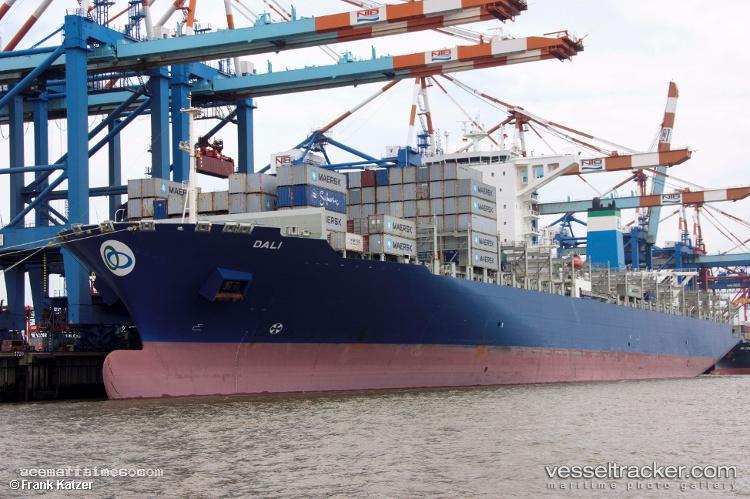
Vessel Details
MMSI
563004200
Callsign
9V5283
Width
48.0 m
Length
300.0 m
Reviews (1)
Thomas
2024-07-04
Position: Motorman
Advantages:
Looking for information about this vessel. Looking for info about this vessel? Any red flags?
Disadvantages:
No personal experience yet, just gathering info.
Featured Review Articles
Legal and Safety Storm Surrounds the Dali: Bridging Gaps in Accountability and Infrastructure
In the wake of the tragic collapse of the Francis Scott Key Bridge in Baltimore, ongoing investigations and legal proceedings surrounding the vessel Dali have unveiled a complex web of technical failures, legal battles, and infrastructural inadequaci...
Read Full ReviewThe Dali Incident: A Cautionary Tale of Maritime Safety and Infrastructure Vulnerability
The incident involving the Dali, which struck Baltimore’s Francis Scott Key Bridge on March 26, 2024, serves as a grim reminder of the interconnectedness of maritime operations and vital infrastructure safety. A comprehensive investigation by the Nat...
Read Full ReviewChaos and Controversy: The Dali's Fateful Journey and Subsequent Legal Battle
The maritime world is closely watching the unfolding events surrounding the Dali, a container ship that collided with the Francis Scott Key Bridge in Baltimore in the early hours of March 26, 2024. As investigations continue, alarming details have em...
Read Full ReviewLatest News (16)
Chief Engineer's Deferred Prosecution Agreement Reveals Critical Safety Violations on the 'Dali'
In a significant development, federal prosecutors have finalized a deferred prosecution agreement with Deenadayalan, the chief engineer of the maritime vessel 'Dali'. This agreement comes after the experienced Indian mariner conceded to actions that led to a violation of the Ports and Waterways Safety Act, specifically for neglecting to communicate a known hazardous condition on board the ship prior to its collision with Baltimore’s Francis Scott Key Bridge. The announcement by the U.S. Attorney’s Office for the District of Maryland on June 19 marks a pivotal moment, as Deenadayalan is the first individual directly involved in the operation of the 'Dali' to acknowledge criminal wrongdoing connected with the incident. Deenadayalan admitted to being aware of the dangerous fuel supply arrangement employed by the 'Dali' along with its sister vessels, the 'Maersk Saltoro' and the 'Cezanne'. This arrangement was deficient in redundancy, therefore impairing the vessels' ability to regain control following a power loss. The ships utilized a flushing pump in their fuel supply system, which lacked the crucial capability to restart automatically after a blackout. Despite understanding the associated risks of this setup, Deenadayalan failed to report this condition to the U.S. Coast Guard as mandated by law. This deferred prosecution agreement allows for the suspension of criminal charges, contingent upon Deenadayalan adhering to its stipulations. The charges against him represent allegations of misconduct under the Ports and Waterways Safety Act, and prosecutors have reiterated that these are not proven until presented in a court of law. The agreement also highlights communications involving Deenadayalan and Radhakrishnan Karthik Nair, a technical superintendent with Synergy, who faced indictment in May alongside two ship management firms. Deenadayalan confessed that Nair instructed him to send a misleading email to the vessel’s charterer regarding fuel consumption to divert scrutiny from the flushing pump's usage. This admission is intrinsically linked to a wider criminal case initiated in May against Singapore-based Synergy Marine Pte Ltd., Chennai-based Synergy Maritime Pvt Ltd., and Nair, all of whom have been accused of willfully operating the 'Dali' with unsafe modifications that led to operational failures. Detailed reports indicate that the 'Dali' experienced two power failures within a mere four minutes during its departure from Baltimore Harbor, allegedly triggered by a loose connection in a high-voltage switchboard. Prosecutors assert that modifications made to the vessel’s backup systems compromised essential redundancies. A pivotal component in this case is the flushing pump, which was reportedly misused to fuel two diesel generators despite its inadequate design for addressing post-blackout conditions. Consequently, the generators lost fuel supply after the initial outage, causing a second blackout that rendered the vessel devoid of propulsion and steering capabilities moments before it struck the bridge. These allegations align with findings from the National Transportation Safety Board, which uncovered that a poorly secured electrical wire was the cause of the vessel's initial failure. Additionally, the shipbuilder HD Hyundai Heavy Industries has claimed that the operators of the 'Dali' breached built-in redundancies after delivery by substituting automatic fuel supply pumps with the non-redundant flushing pump, a modification that allegedly violated industry standards and contributed directly to the subsequent blackout. The broader criminal proceedings are still in progress, with all defendants, including the two Synergy firms and Nair, maintaining their innocence and presumed innocent until proven otherwise in court. This complex investigation is being handled by the Federal Bureau of Investigation, the Coast Guard Investigative Service, and the Criminal Investigation Division of the Environmental Protection Agency.
First Criminal Charges Filed Against Chief Engineer of the Dali
In a significant legal development, U.S. prosecutors announced on June 15, 2024, that Karthikeyan Deenadayalan, the 46-year-old chief engineer of the 'Dali', has been charged with criminal offenses, marking the first instance of an officer from the vessel facing legal repercussions. The charges arise from Deenadayalan's alleged failure to report hazardous conditions aboard the ship to the U.S. Coast Guard (USCG). The federal attorneys have indicated that they have entered into a deferred prosecution agreement with him. The indictment cites a specific violation of the Port & Waterways Safety Act of 1972, which mandates immediate notification to the USCG when dangerous conditions exist either on a vessel or as a result of its operations. Deenadayalan is accused of “knowingly and willfully failing” to inform the USCG of serious issues, including the non-operational status of essential redundant supply and booster pumps for generators 3 and 4. Instead, a non-redundant flushing pump was being utilized, leading to critical operational failures. The legal filing alleges that a blackout on March 26, 2024, was potentially caused by a loose wire, while a subsequent blackout precipitated a fatal allision with the Francis Scott Key Bridge. This incident raised the stakes for the vessel, demonstrating dangers associated with relying on inappropriate equipment for fuel supply to its generators. These circumstances echo earlier legal actions detailed in a May indictment against the operators, Synergy Marine, and one of their technical superintendents. A hearing on the deferred prosecution agreement is slated for June 16, 2024, presided over by Judge James Bredar, who is also overseeing related civil proceedings. Concurrently, U.S. attorneys anticipate setting an October 2027 trial date for Synergy Marine and its technical supervisor while seeking to secure trial subpoenas for witness testimony, as allowed under federal law. The ramifications extend to ongoing civil claims against Grace Ocean, the vessel owner, and Synergy Marine, as both firms aim to contest the remaining dozen claims, including significant economic loss claims from the City and County of Baltimore, as well as various local businesses affected by the incident. Previously, they reached settlements with six families of roadworkers who tragically lost their lives and have compensated Maryland for the bridge's destruction and related recovery efforts. While more than 30 claims were resolved, the remaining disputes are contested due to a Supreme Court ruling from 1927, asserting that claimants need a proprietary interest in the damaged property to seek recovery. Baltimore asserts its right to recover losses as the ‘intended beneficiary’ of the bridge. In parallel, Grace Ocean has also initiated a separate lawsuit against HD Hyundai, the builders of the containership, claiming manufacturing defects. A jurisdiction hearing in this case is set for July.
Civil Trial Adjourned for Claims in Francis Scott Key Bridge Allision Involving 'Dali'
A civil trial concerning claims related to the tragic collapse of the Francis Scott Key Bridge in Baltimore, following an allision with the cargo ship 'Dali', has been postponed. The ruling was made by a judge on June 1, 2024, after the vessel's owner and operator sought a delay, submitting their request on May 31, just a day before the proceedings were scheduled to begin. This trial pertains to those claimants who have not settled with the owners and operators of the container vessel, two years after the incident that occurred on March 26, 2022. The case gained momentum as a federal judge dismissed attempts by Grace Ocean and Synergy Marine Group to further delay proceedings in light of recent federal criminal charges related to the bridge collapse. Though prosecutors had also sought a postponement of the civil hearings, the court has decided to advance with the trial. Recently, some families of the victims who perished in the collapse came to settlements with the ship's operator for undisclosed amounts, while the state of Maryland agreed to a substantial $2.25 billion settlement with the owners of the 'Dali', earmarked for bridge reconstruction costs. During the pretrial stages, several crew members aboard the 'Dali' at the time of the incident exercised their Fifth Amendment rights during their depositions. Notably, some crew members have remained in Baltimore over two years post-incident. Grace Ocean and Synergy have asserted that they should not be held entirely responsible for the damages, arguing that the catastrophic events were beyond their control and citing an antiquated 1851 maritime law that may limit a vessel owner's liability to the value of the ship and its cargo, estimated to be around $44 million in this case. This same legal principle was notably referenced following the Titanic disaster in 1912. The upcoming civil trial at the U.S. District Court in Baltimore will be conducted as a bench trial, meaning that a judge will make the final ruling without a jury. The proceedings are anticipated to last approximately one month.
Delays Requested in Civil Trial for 'Dali' Following Unsealed Criminal Charges
The owner and operator of the vessel 'Dali' have formally requested a postponement of their civil trial, following the recent unsealing of criminal charges against them. On May 18, Grace Ocean Private Ltd. and Synergy Marine Private Ltd. filed a motion seeking to delay the civil proceedings, originally scheduled to commence on June 1. This request comes in the wake of federal charges alleging that Synergy Marine and one of its employees breached the Ports and Waterways Safety Act by obscuring hazardous conditions aboard the ship, falsifying inspection documents, and evading necessary maritime safety protocols. The indictment details that an improper fuel pump was utilized, hindering the vessel's ability to regain power before colliding with the Key Bridge in March 2024. Investigations revealed that the 'Dali' had suffered at least four power outages in the lead-up to the accident. In their court filings, both companies vehemently refuted the allegations, describing them as "unfounded." In light of these developments, Grace Ocean and Synergy claim that the ongoing criminal proceedings could impede their defense in the civil case. They emphasized that Grace Ocean, despite not being named in the indictment, has also been significantly affected in its ability to mount a defense. The companies posited that both the civil and criminal cases are intertwined, hinging on the same facts related to the incident, including potential negligence in the operation and management by Synergy, as well as their awareness of any hazardous conditions. Moreover, they argued that the indictment has created a "dramatic chilling effect" on fact witnesses, further complicating their ability to effectively present their case in court. Therefore, they have requested that a judge either postpone the civil trial until the criminal proceedings are concluded or delay it by a minimum of 90 days. This extension would allow the companies to explore options for securing immunity or protection for any of Synergy's employee witnesses, facilitating their travel to the U.S. for trial. The outcome of the civil trial will determine if the companies can limit their financial liability to around $44 million. Meanwhile, the estimated costs for the Key Bridge reconstruction project are projected to range from $4.3 to $5.2 billion, with completion anticipated by 2030.
Federal Charges Filed Against Management of 'Dali' Following Francis Scott Key Bridge Disaster
In a significant development in the aftermath of the catastrophic incident involving the Dali, federal prosecutors have levied criminal charges against the ship's management companies and a technical superintendent. This escalation follows the March 26, 2024, collapse of Baltimore’s Francis Scott Key Bridge, a tragic event deemed one of the most severe maritime infrastructure failures in recent U.S. history. On May 12, the Justice Department announced that indictments have been issued against Synergy Marine Pte. Ltd. from Singapore, Chennai-based Synergy Maritime Pte. Ltd., and technical superintendent Radhakrishnan Karthik Nair. The charges include conspiracy to defraud the United States, obstruction of justice, and providing false statements. They also face accusations of failing to inform the U.S. Coast Guard about a known hazardous condition aboard the Dali. Prosecutors allege that the defendants knowingly operated the vessel with unsafe modifications, which played a critical role in the series of power failures that led to the Dali colliding with the bridge. The economic implications of this maritime disaster have been estimated at over $5 billion. Investigators revealed that the Dali experienced two power losses within a four-minute window while departing the Port of Baltimore. The initial blackout is believed to have been triggered by a loose wire in a high-voltage switchboard. However, the backup systems were allegedly compromised, making them ineffective due to modifications implemented by the operators. The indictment notes that operators relied on a flushing pump, which was not designed to automatically restart after a blackout, resulting in a lack of fuel supply to the ship’s generators following the initial outage. This caused a second blackout that rendered the ship without propulsion or steering right before it struck the bridge. Further accusations against Synergy and Nair include providing misleading information to the National Transportation Safety Board (NTSB) during their inquiry into the incident, including erroneous claims about the flushing pump's operation. Besides the criminal conspiracy charges, the corporate defendants are also facing misdemeanor environmental infractions related to pollution impacts in the Patapsco River, which includes oil spills, cargo container contamination, and bridge debris. The NTSB’s report, released in late 2025, found that a single improperly secured signal wire was responsible for the initial electrical failure aboard the Dali. The defective electrical connection caused by a wire-label band ultimately led to the blackout. Furthermore, broader operational and design issues were identified, including the inappropriate use of the flushing pump as a fuel pump and potential design flaws associated with engine shutdowns due to low cooling-water pressure. In reaction to the NTSB findings, shipbuilder HD Hyundai Heavy Industries (HHI) suggested that the Dali's owner and operator had compromised necessary redundancies by replacing the vessel's automatic fuel supply pumps with a non-redundant flushing pump, exacerbating the blackout situation. Estimated costs for the bridge replacement are between $4.3 billion and $5.2 billion, with an anticipated completion date around 2030. Agencies including the FBI, Coast Guard Investigative Service, and the EPA Criminal Investigation Division are actively pursuing the investigation, reminding the public that the indictment represents allegations, with all defendants presumed innocent until proven guilty in a court of law.
Settlement Reached in Maryland Bridge Collapse Case Involving 'Dali'
In a significant development regarding the tragic collapse of the Francis Scott Key Bridge in Baltimore, ACE American Insurance Company has successfully reached a $350 million settlement with the owners and operators of the containership 'Dali'. This decision comes after U.S. District Court Judge James Bredar urged all parties to prepare for a civil trial set to commence on June 1, 2026. Initially, the legal teams for the plaintiffs had suggested a trial date in December 2025, while the defense sought a delay until 2027. However, the judge had already established June 2026 as the designated start for trial proceedings after outlining a timeline for depositions and evidence collection in 2025. The settlement amount mirrors the $350 million provided to Maryland shortly after the incident, representing the maximum limit of the insurance policy coverage. There is potential for additional settlements from other parties involved, but the majority of the case remains on course for trial. Judge Bredar previously outlined a bifurcated process to first evaluate the limited liability claims raised by the vessel's owners, Grace Ocean, and its manager, Synergy Marine Group. These companies are relying on the Limitation of Liability Act of 1851 (LOLA), which could limit their total liabilities to the post-incident value of the ship and pending freight, estimated at around $44 million. Families of the six individuals who lost their lives in the tragedy, as well as various local businesses, have filed claims. Baltimore and the state of Maryland have also brought forth claims, including those for bridge replacement. Estimates indicate total claims could exceed $5 billion. Despite Maryland receiving the $350 million insurance payout, the law allows for further claims beyond the insurance amount. Grace Ocean, Synergy, and their insurers have settled claims with the U.S. Coast Guard and federal authorities pertaining to cleanup and recovery efforts, including a $102 million settlement with the U.S. Justice Department in October 2024. The companies maintained that the settlement is not an admission of liability for the events that led to the bridge's collapse. In a separate legal action, Grace Ocean and Synergy are pursuing a lawsuit against Hyundai Heavy Industries, alleging defects in the ship's construction. Despite the 'Dali' being launched in 2015, Hyundai has sought arbitration, pointing out the vessel's age and maintenance history post-delivery. The anticipated length of the trial spans several weeks, incorporating hundreds of hours of depositions and testimonies, with maritime crew members remaining in the U.S. during proceedings. Although the National Transportation Safety Board's findings regarding the ship’s defects cannot be directly referenced in the trial, evidence collected during their investigation may inform the proceedings. As the state commemorates the second anniversary of the bridge's collapse, it highlights a robust economic recovery, particularly at the Port of Baltimore. The bridge replacement project is reportedly on schedule, though completion is not expected before 2030 as work continues to dismantle remnants of the Key Bridge.
Analysis Reveals Critical Oversight in Dali Incident, Says HD Hyundai Heavy Industries
HD Hyundai Heavy Industries has issued a significant statement regarding the 'Dali', the vessel involved in a serious incident before colliding with Baltimore’s Francis Scott Key Bridge on March 26, 2024. Following an investigation by the National Transportation Safety Board (NTSB), the shipbuilder noted that changes made after the delivery compromised crucial redundancies, resulting in a second blackout that left the ship without propulsion or steering. The NTSB's inquiry identified that the probable cause of the allision was a loss of electrical power, attributed to a loose signal wire connection due to improper installation of wire-label banding. This failure caused the vessel to lose both propulsion and steering capabilities near the bridge. In response, the NTSB has recommended that HD Hyundai Heavy Industries enhance their electrical department's standard operating procedures to ensure proper methods of wire-label banding are consistently utilized. In its defense, HD Hyundai emphasized that the 'Dali' was delivered with an array of built-in redundancies and automatic restart functions, designed specifically to prevent catastrophic failures. The shipbuilder pointed out that vessels like the 'Dali' are equipped with onboard power plants and various safeguards to manage the complexities often faced in challenging marine environments. HD Hyundai outlined that the 'Dali' was initially fitted with four independent diesel generators, two transformers, and automatic fuel supply pumps that could restart autonomously after a power interruption without requiring crew intervention. These design features, they claimed, meet the stringent requirements set forth by relevant classification societies. However, HD Hyundai alleged that after the ship was handed over, the operator undermined these safety mechanisms by replacing the automatic fuel supply pumps with a manual electrical flushing pump. This single-point system, intended only for cleaning, was not suited for fuel supply and lacked essential redundancies and automation, thus violating established classification standards. On the day of the incident, the ship suffered two blackouts. The initial blackout occurred due to a disconnected wire in the transformer's system. Since the transformer was operating in manual mode at the time, the crew was required to manually switch to a backup transformer. However, during this transition, they neglected to restart the flushing pump that was providing fuel to the operating generators, which led to a critical fuel starvation and the subsequent blackout. According to HD Hyundai, had the vessel's systems been utilized correctly, power would have been restored almost instantaneously, preventing the second blackout that ultimately led to the accident. The NTSB further critiqued the vessel's operational protocols, noting that although the initial blackout was not directly caused by crew actions, the inappropriate operation of the flushing pump during fuel supply to the diesel generators was a significant oversight. This operational lapse resulted in insufficient fuel pressure for diesel generators 3 and 4, causing the second blackout. The NTSB criticized the operational management by Synergy, the 'Dali'’s operator, highlighting previous routine inspections that should have detected the loose wire. HD Hyundai reiterated that it was the responsibility of the owner and operator to maintain diligent inspection and management practices to ensure the vessel remained seaworthy. Beyond the mechanical systems, the NTSB identified additional contributing factors to the incident, such as inadequate bridge countermeasures and ineffective communications that failed to alert highway workers in time. The agency has issued urgent recommendations to federal agencies and bridge owners to evaluate vulnerabilities and develop risk mitigation strategies. In conclusion, HD Hyundai stated that the negligence of the vessel’s owner and operator in misusing the systems and failing to adhere to inspection protocols played a crucial role in this tragic event. The company expressed its sincere condolences to the affected families and committed to collaborating with authorities to prevent such incidents in the future.
NTSB Report Reveals Bridge Collapse Causes: Mislabeling and Protocol Failures at Play
The recent National Transportation Safety Board (NTSB) report has shed light on the tragic collapse of Baltimore’s Francis Scott Key Bridge, pointing to several key factors including a misplaced wire label. On December 10, the NTSB published a comprehensive 259-page report detailing the March 2024 incident, where the cargo vessel 'Dali' struck the bridge, leading to the loss of six highway workers' lives. The investigation highlighted how a mislabeling of a signal wire during the ship's construction resulted in an electrical failure that contributed to the vessel veering off course. The report identified several mishaps, including the crew's inability to regain propulsion after losing electrical power, and the rapid approach of the 'Dali' to the bridge, which severely limited evacuation time for the highway workers. Crucial shortcomings in communication procedures also played a significant role, hindering effective notifications for workers to evacuate in a timely manner. Although the NTSB refrained from assigning blame, it pinpointed multiple probable causes for the transportation disaster. Among its findings, the NTSB noted that a silicone sheath intended as a wire label was incorrectly placed, impairing the connection in a crucial circuit breaker and triggering the initial blackout. This electrical outage lasted a mere 58 seconds, during which the crew of the 'Dali' managed to identify the tripped breaker and restore power. However, the manual restart of a key pump meant to supply fuel to the generators was overlooked, leading to a subsequent blackout when the generators ran out of gas. The report also stressed that the Francis Scott Key Bridge had an alarming risk level, nearly 30 times higher than what is deemed acceptable for such critical structures, as set by the American Association of State Highway and Transportation Officials (AASHTO). Alarmingly, the Maryland Transportation Authority had not conducted a vulnerability assessment for the bridge. Moreover, the NTSB's investigation revealed that there are 68 additional bridges in 19 states, built prior to 1991, which lack current assessments of their vulnerability to similar incidents. In light of these findings, Transportation Secretary Sean Duffy is set to meet with Maryland Governor Wes Moore to discuss the state's approach to managing key infrastructure projects, including the Francis Scott Key Bridge. The financial implications of replacing the Key Bridge have escalated dramatically; the updated cost estimate now ranges between $4.3 billion and $5.2 billion, with project completion now anticipated in late 2030, reflecting a delay of two years from previous projections.
NTSB Uncovers Causes Behind Fatal Allision of 'Dali' with Francis Scott Key Bridge
An investigation by the National Transportation Safety Board (NTSB) has revealed that a misconfigured labeling band on a signal wire was the root cause of the electrical blackout that led to the tragic allision of the container ship 'Dali' with the Francis Scott Key Bridge in Baltimore on March 26, 2024. This significant report was published on November 18, uncovering alarming details about the event. The NTSB's findings indicate that the misapplication of the wire-label banding obstructed the proper insertion of the wire into its terminal block spring-clamp gate, which ultimately led to a weak electrical connection. The malfunction resulted in the wire's disconnection, causing a high-voltage breaker to open unexpectedly and precipitating the complete loss of propulsion and steering as the 'Dali' departed the Port of Baltimore. The blackout transpired around 01:29 a.m., severing power to crucial systems, including the main engine cooling pumps and steering gear. In the aftermath of the blackout, the vessel veered towards Pier 17 of the bridge. Despite the desperate maneuvers attempted by the bridge team and pilots, the failure of propulsion rendered these efforts futile. The unfortunate collision with the southern pier of the bridge resulted in a catastrophic collapse, sending large sections crashing into the Patapsco River. Tragically, six out of seven road maintenance crew members lost their lives in the incident, while one worker sustained serious injuries and another inspector escaped unscathed. On the 'Dali', one crew member suffered a minor injury. The NTSB ascribed the primary cause of the incident to the "loss of electrical power (blackout)", stemming from the loose connection related to the improperly installed wire-label band. This malfunction led to a catastrophic failure of the ship’s propulsion and steering systems near the bridge. Additionally, the investigation pointed to the lack of risk assessment measures by the Maryland Transportation Authority (MDTA), which could have mitigated the bridge's vulnerability to vessel impacts, as was recommended by the American Association of State Highway and Transportation Officials (AASHTO). The NTSB also highlighted insufficient immediate communication to the highway workers about the need for evacuation as a contributing factor to the loss of life. Beyond the immediate causation, the investigation surfaced further safety concerns related to the design of the vessel's main engine, which was set to shut down due to low cooling water pressure—a design valid at the time of construction but dangerous in this context. Other issues identified included the use of a flushing pump as a fuel service pump for diesel generators without the necessary redundancy. Moreover, the NTSB noted that employing infrared thermal imaging during preventative maintenance could have identified the loose wire at the ship's high-voltage switchboard connections. The agency expanded its focus to address the safety of 30 major bridges over navigable waterways across the nation, advocating for thorough evaluations of their readiness to withstand impacts from today's larger vessels. Current recommendations urge these bridge owners to adhere to AASHTO guidelines for vessel-collision design, assess risks of structural collapse, and consider implementing specific countermeasures ranging from structural reinforcements to advanced traffic management systems. The Key Bridge incident has ignited discussions on the structural integrity of aging bridges exposed to maritime traffic, emphasizing the need for safety improvements across America's infrastructure. Fortunately, the prompt actions of the 'Dali's' crew and the Maryland Transportation Authority played a crucial role in limiting further casualties by halting bridge traffic at the time of impact. The vessel sustained damage exceeding $18 million, with cargo losses still to be determined. Moreover, the estimated cost for bridge replacement spans between $4.3 billion and $5.2 billion, with expected completion around late 2030. With over 34,000 vehicles needing to find alternate routes—10% of which are trucks and all vehicles transporting hazardous materials previously utilizing Baltimore's tunnels—traffic flow has been severely disrupted. 'Grace Ocean' and 'Synergy Marine Group', the owner and manager of the 'Dali', have committed to meticulously reviewing the NTSB's report alongside their technical staff and legal advisors. Eight crew members continue to assist U.S. authorities with the investigation, with four having received permission to visit their families in early December. The NTSB issued 18 new safety recommendations aimed at addressing vessel redundancy, electrical maintenance, bridge protection, and emergency communication protocols.
NTSB to Investigate Baltimore Bridge Collapse Cause on November 18
The National Transportation Safety Board (NTSB) is set to convene on November 18, 2024, to investigate the catastrophic allision between the cargo vessel 'Dali' and the Francis Scott Key Bridge that occurred on March 26, 2024. During this critical meeting, board members will review electrical failures that led to the incident and vote on findings, the probable cause, and essential safety recommendations, including any modifications to the preliminary report. A summary of their findings will be made public after the meeting concludes, while the comprehensive report is anticipated several weeks later. The accident transpired in the early morning hours when the 'Dali,' operating at a speed of 9.0 knots, suffered its first blackout around 01:25, just 0.6 miles from the bridge. This failure disabled the main propulsion engine and all steering pumps. Despite the crew's attempts to regain power, a second blackout struck when the vessel was a mere 0.2 miles from the bridge. In a desperate bid to avert disaster, tugboat assistance was requested, and an anchor was deployed, but bridge authorities could close the structure only for maintenance workers and an inspector who remained on-site. Tragically, at 01:29 a.m., the 'Dali' collided with pier 17 of the bridge, leading to the loss of six workers' lives, alongside one survivor who sustained severe injuries and one inspector who managed to escape unharmed. The NTSB will hold a public meeting to uncover the underlying causes of this fatal event, which not only resulted in loss of life but also highlighted glaring weaknesses in America’s aging bridge infrastructure. On its approach, the 'Dali' experienced a total electrical failure, colliding with the bridge at approximately 6.5 knots and triggering its collapse. Preliminary investigations have flagged serious issues with the electrical systems aboard the 'Dali,' where two distinct blackouts occurred just prior to the accident, linked to malfunctions in electrical breakers HR1 and LR1. These breakers tripped unexpectedly as the vessel closed in on the bridge. NTSB investigators discovered an interruption in HR1’s control circuit, and a terminal block has been sent to their laboratory for further examination. Notably, the ship had experienced two additional blackouts while docked just a day before the disaster, prompting crew adjustments to the electrical bus configuration. The NTSB's inquiry revealed that the Francis Scott Key Bridge had risk levels nearly 30 times higher than acceptable norms for critical infrastructure, a fact that could have been recognized had the Maryland Transportation Authority performed recommended vulnerability assessments. A broader analysis identified 68 bridges across 19 states urgently needing similar evaluations, including famous structures such as the Golden Gate Bridge, Chesapeake Bay Bridge, Verrazano Narrows Bridge, and the Greater New Orleans Bridge—all built before current safety standards were implemented and lacking updated assessments concerning the risk of vessel collisions. In response to these findings, the investigation has already generated four urgent safety recommendations directed at bridge owners and organizations including the Federal Highway Administration, U.S. Coast Guard, and U.S. Army Corps of Engineers, all aimed at enhancing bridge safety against potential vessel strikes.
Litigation Update: Call to Lift Liability Cap on Synergy Marine Following 'Dali' Incident
In the ongoing legal battle surrounding the 'Dali' allision with the Francis Scott Key Bridge in Baltimore, claimants are urging a judge to eliminate the liability cap imposed on Singapore-based ship manager Synergy Marine. The collective of claimants, which notably includes representatives from the state of Maryland, contends that the existing legislation governing liability in maritime accidents pertains exclusively to shipowners, thereby excluding managers from similar protections. This petition was submitted to the US District Court for the District of Maryland a year and a half after the unfortunate incident, underscoring the complexities of maritime law and accountability in shipping operations.
Grace Ocean Private Ltd. and Synergy Marine Inc. Sue Hyundai Heavy Industries Over Dali Incident
On July 31, 2024, Grace Ocean Private Ltd. and Synergy Marine Private Ltd., the owner and operator of the container ship 'Dali', initiated legal action against Hyundai Heavy Industries (HHI), the vessel's builder. The lawsuit asserts that Hyundai’s negligence contributed to a significant incident where the 'Dali' allided with the Francis Scott Key Bridge, attributing the accident to a "defective design" that resulted in a power failure on board. Filed in the U.S. District Court for the Eastern District of Pennsylvania, the complaint details that Grace Ocean, officially registered as the owner, and Synergy Marine, responsible for technical management, claim HHI improperly engineered a critical element of the ship’s electrical distribution system. Central to the allegations is an under-voltage release (UVR) mechanism associated with one of the main circuit breakers. The lawsuit suggests that a faulty wiring connection at node 381 on the ship's electrical switchboard precipitated the loss of power, causing the engine to shut down and leading to a total loss of steering capabilities. Court documents reveal that just two minutes following the blackout, the vessel collided with the bridge at 1:28 a.m. The plaintiffs argue that the compromised wiring connection—designed to transmit control signals—was affected by improper placement of a labeling band, hindering secure contact within the terminal block. This defect severed the power supply, ultimately culminating in a complete electrical failure. Investigations by U.S. federal authorities including the National Transportation Safety Board (NTSB) and the Coast Guard previously identified flaws within the vessel's electrical system as critical factors in the accident. A June report unveiled continuity breaks within the control circuit, and further assessments indicated inadequately secured cabling, which Hyundai engineers conceded could potentially result in system failures, a conclusion validated through simulations. The 'Dali' had experienced prior electrical issues, including a blackout incident while docked in Baltimore, prior to its final voyage. These recurring problems, alongside allegations of substandard maintenance and makeshift repairs onboard, have raised significant concerns regarding the ship's operational safety and adherence to maritime regulations. In addition to their own lawsuit, Grace Ocean and Synergy Marine face notable legal hurdles. In September 2024, the U.S. Department of Justice initiated a separate $100 million lawsuit against both companies, alleging they knowingly operated a ship deemed unseaworthy and failed to disclose existing mechanical and electrical issues. The State of Maryland has also commenced legal actions to recover financial losses related to the bridge’s damages, emergency response expenses, and restoration efforts. To mitigate potential liability, the ship's owner and operator have sought protection under maritime law provisions, while also aiming to share some blame with HHI. Their claims against Hyundai encompass repair costs and compensation for numerous civil suits concerning economic losses, property destruction, cargo disruptions, personal injuries, and environmental harm. Originally constructed in 2014 and delivered in 2015, the 'Dali's product liability lawsuit against Hyundai charges that the company failed to secure all electrical connections on the switchboard effectively during the fabrication process, rendering the system unsafe at the time of delivery. HHI has been formally notified of the lawsuit and is anticipated to respond through legal processes in the near future. This litigation adds complexity to an already intricate web of legal proceedings arising from a major maritime incident in modern U.S. history. An NTSB report released in 2024 indicated that a cable connected to a blackout detection control was not properly secured, potentially causing a loss of power without alerting the ship’s sensors. The lawsuit asserts that HHI was aware—or should have been aware—of the risk of loose wiring in the switchboard, endangering the 'Dali' with potential power outages. Grace Ocean Private Limited and Synergy Marine PTE have maintained their denial of any wrongdoing since April 1, 2024. Currently, there are 45 pending claims related to property damage, economic losses, cleanup expenses, personal injuries, wrongful deaths, survival claims, workers' compensation, and cargo and general average losses.
Hyundai Heavy Industries Faces Lawsuit Over Alleged Manufacturing Defects in 'Dali' Incident
In an ongoing legal saga centered around the 'Dali' vessel, a federal court in Baltimore is deliberating pre-trial motions while evidence is being gathered related to the unfortunate incident that occurred in 2024. The owners of the 'Dali', represented by Grace Ocean, along with operators Synergy Marine, have filed a lawsuit against Hyundai Heavy Industries, claiming negligence in the design and manufacturing of the ship's essential switchboard. This switchboard has become a focal point for investigations concerning a significant blackout incident that plagued the vessel. The investigations, led by the National Transportation Safety Board (NTSB) in conjunction with the U.S. Coast Guard and other agencies, quickly identified issues with the power supply, circuit breakers, and the switchboard as potential contributors to the vessel’s failures. It has been established that an unidentified issue caused a trip in the vessel’s circuit breakers, cutting off power to crucial systems, including the hydraulics necessary to control the rudder. As early as June 2024, preliminary NTSB findings indicated an “interruption in the control circuit” associated with the main breakers. A follow-up report revealed that a loose cable connection within the transformer and relay could lead to what Hyundai specialists described as an open circuit, interrupting the 110VDC power supply on the high-voltage side of the switchboard. Engineers indicated that such a defect would trigger an under-voltage release (UVR) trip, culminating in a 440V blackout—an issue they were able to simulate in subsequent testing. In their lawsuit filed on July 31, 2024, in the U.S. District Court for the Eastern District of Pennsylvania, Grace Ocean and Synergy Marine accused Hyundai Heavy Industries of defectively designing the switchboard. Specifically, they highlighted that the wiring connections were inadequately secured, leading to the potential loss of connection during operation. The complaint points out that the design flaw facilitated a condition whereby the signal wire could disconnect from the terminal block, rendering the switchboard dangerously defective upon delivery from Hyundai. The legal filing further pointed out that a UVR coil for a circuit breaker was malfunctioning due to a lack of control voltage, resulting from the poor connection of one control signal wire. The lawsuit claims this wire was improperly labeled, leading to it being too close to the crimped ferrule at its end, preventing a full insertion into the terminal block’s spring clamp gate. As a result, an insufficient electrical contact created an open circuit. The plaintiffs are seeking compensation for vessel damage and associated repair costs along with contributions to cover numerous claims, which range from property damage and economic losses to clean-up expenses, personal injuries, wrongful deaths, survival claims, workers’ compensation reimbursements, and cargo issues in a Maryland civil case. Next year, the court will hear the first phase of this case, which will concentrate on Grace Ocean and Synergy Marine’s limitation of liability claim. The outcome may influence the size of liability that the parties face. Notably, there were several earlier reports of electrical issues with the vessel prior to the incident, including problems noted while docked in Baltimore. Moreover, the NTSB highlighted concerns regarding the vessel's maintenance practices, identifying instances of wear and interim repairs, while affirming claims from U.S. authorities about the vessel's overall seaworthiness. Maryland and Baltimore have also raised issues relating to the vessel's training and maintenance protocols. Hyundai Heavy Industries has been served in this ongoing product liability case and is expected to submit its formal response in due course, igniting a parallel legal battle over accountability for these alleged defects.
Investigation Reveals Alarming Technical Issues on the 'Dali'
Recent investigations have shed light on serious technical deficiencies aboard the vessel 'Dali' as lawyers representing the state of Maryland and other claimants continue their inquiry into the ship's operational conditions. During the discovery process, crucial findings indicated that a hydraulic brake failure on the port side anchor windlass had rendered it inoperable for nearly two weeks. This critical malfunction meant the anchor could only be deployed manually, requiring two crew members to operate effectively. However, on March 26, 2024, only one crew member was stationed at the bow, ultimately leading to an inability to deploy the anchor in time, which lawyers claim had catastrophic implications for averting disaster. Further compounding these issues, it was revealed that the 'Dali' was also running without one of its four generators at the time it left port. The Chief Engineer acknowledged that the occurrence of a second blackout could have been prevented had the ship operated with three generators instead of two, illustrating the precarious state of the vessel's operational capabilities. The ongoing legal battle involves the state of Maryland, the city of Baltimore, numerous businesses, and families of victims who tragically lost their lives in the bridge incident, all suing Grace Ocean Private, the vessel's owning company, and Synergy Marine Group, its management. While depositions from crew members have been conducted, the testimonies remain sealed. Compounding the investigation, the Maryland Attorney General’s Office has requested communication records from ZeroNorth—developers of the SMARTShip software used for remote vessel monitoring. The exchange of information between Grace Ocean, Synergy, and ZeroNorth is anticipated to play a pivotal role in determining how the SMARTShip system was deployed on the 'Dali' and what data was actively monitored by shoreside staff. With the trial for Grace Ocean and Synergy Marine Group slated for next summer, the complications surrounding this case continue to mount, raising significant concerns for maritime safety regulations and accountability.
Captain Discussed Blackouts Hours Before 'Dali' Allision with Key Bridge
On March 25, 2024, the master of the 'Dali', Chandrashekar Sabhapathy, engaged in a crucial conversation with the chief engineer approximately eight hours prior to the vessel's allision with the Francis Scott Key Bridge. At the time, the 'Dali' was docked at the Port of Baltimore and had recently experienced two blackouts, prompting Captain Sabhapathy to request a detailed incident report be prepared for the ship's records. "For now, set the data reporting date as the 28," he instructed, indicating it would be recorded three days after the event. Under U.S. Coast Guard regulations, vessels are permitted five days to report marine casualties, allowing for the submission of the report after addressing the immediate issues. The Department of Justice's 2024 lawsuit against the ship highlighted that the 'Dali' failed to immediately notify the Coast Guard about the safety concerns related to the blackouts, which is a violation of federal regulations. Had the crew reported the in-port blackouts, it might have triggered a comprehensive Coast Guard inspection. As investigations unfolded, the Coast Guard began meticulously reviewing all events leading up to the allision. Opinions among experts varied; some praised the crew's intention to compile a comprehensive report while others pointed out a significant safety protocol was overlooked before the 'Dali' departed Baltimore. According to newly released documents from the National Transportation Safety Board (NTSB), the prior afternoon, around 10 hours before the incident, the ship's power was interrupted at the Seagirt Marine Terminal, triggering alarms for over 30 minutes starting at 2:20 p.m. One crew member expressed concern in Hindi, saying, "Something is missing," while another pointed out potential issues nearby. At one point, the alarms ceased momentarily, allowing the sounds of a utensil stirring coffee to be heard, only for the alarms to resume shortly afterward. At 5:49 p.m., Captain Sabhapathy reiterated his request for an incident report, emphasizing its connection to the engine room and the urgency of having the relevant details recorded, even if the submission would be delayed. The 'Dali' departed Baltimore around 12:30 a.m. on March 26 and subsequently lost power again just four minutes before colliding with the Key Bridge. Following the incident, a dozen crew members remained in the Baltimore area as federal investigations progressed. Additionally, on February 17, Chandrashekar Sabhapathy was deposed by federal authorities at the Baltimore Marriott Waterfront.
Chaos Unravels on the 'Dali' Before Collision with Francis Scott Key Bridge
A chilling transcript has surfaced, revealing the harrowing moments aboard the cargo ship 'Dali' just before it collided with the Francis Scott Key Bridge on March 26, 2024. The audio, part of an ongoing investigation by the National Transportation Safety Board (NTSB), highlights a stark contrast between the crew's earlier calm and the chaos that ensued once the vessel lost power. In the early hours of that fateful day, as the 'Dali' was still docked at Seagirt Marine Terminal, the crew engaged in light banter about everyday topics, from journey details to coffee preferences. Preparations for departure began just after midnight, with pilots boarding the vessel at approximately 00:05 a.m. Routine checks were performed, including draft verification and tug arrangements. When the pilot inquired if everything was functioning properly, the Master of the 'Dali' confidently assured him, "Yeah, everything is in order." This optimism came despite previous alarms that had raised concerns hours before. Casual chatter continued on the bridge, with discussions ranging from personal anecdotes to the simplicity of navigating with a Portable Pilot Unit (PPU). However, everything changed at 1:25 a.m. when the ship’s power abruptly shut down just 0.6 miles from the bridge, triggering alarm bells that echoed a dire warning throughout the cargo hold. The 2nd Officer made frantic attempts to contact the engine room, only to receive no answer. As alarms chimed, he reported a significant loss of power, stating, "We do not have bow thruster." The situation escalated when a second officer confirmed the availability of steering, but pandemonium ensued as alarms changed tone, prompting the Training Pilot to utter, "uh oh." Emergency protocols were activated almost immediately. At 1:26 a.m., the Training Pilot urgently relayed over the radio that the 'Dali' had lost power while approaching the Key Bridge, calling for security and assistance. Efforts to engage the bow thrusters were futile, as the second officer exclaimed, "It’s not working". By this time, the pilots requested tugboat assistance and instructed to drop anchor, while the bridge was closed to traffic. Tragically, six road workers remained on the bridge when disaster struck at 1:29 a.m., as the 'Dali' collided with pier 17, collapsing six spans of the bridge. Eyewitnesses described an “enormous rumble” during the impact. Shortly afterward, the Training Pilot communicated with the Coast Guard, urgently announcing, "We have a major problem. The Key Bridge is down. I repeat, the Key Bridge is down." Amid the chaos, the crew grappled with confusion as blaring alarms filled the air following the collision. In the aftermath, the crew and pilots on board struggled to comprehend what had gone tragicly wrong. The Master reported water flooding into the vessel and containers dislodged, though he noted the absence of visible oil sheen. As law enforcement and legal actions unfold, crew members, including the captain, remain in Baltimore, facing ongoing investigations into the incident. The final alarm ceased at 2:25 a.m., marking the end of a horrific sequence of events that has sent shockwaves through the maritime community.
Frequently Asked Questions
🌊 Did Dali sink or have any sinking incidents?
Based on available news reports, Dali has been mentioned in connection with sinking-related incidents. There have been 7 news reports mentioning sinking incidents. For detailed information about specific incidents, please refer to the latest news section above.
🤕 Were there any injuries or accidents on Dali?
Based on available news reports, Dali has been mentioned in connection with injury-related incidents. There have been 6 news reports mentioning injury incidents. For detailed information about specific incidents, please refer to the latest news section above.
🛠️ Did Dali experience any breakdowns or mechanical failures?
Based on available news reports, Dali has been mentioned in connection with breakdown-related incidents. There have been 10 news reports mentioning breakdowns. For detailed information about specific incidents, please refer to the latest news section above.
🏴☠️ Was Dali involved in any pirate attacks?
Based on available news reports, Dali has been mentioned in connection with pirate-related incidents. There have been 2 news reports mentioning pirate attacks. For detailed information about specific incidents, please refer to the latest news section above.
⚙️ Did Dali have any engine problems?
Based on available news reports, Dali has been mentioned in connection with engine-related incidents. There have been 12 news reports mentioning engine problems. For detailed information about specific incidents, please refer to the latest news section above.
💥 Was Dali involved in any collisions?
Based on available news reports, Dali has been mentioned in connection with collision-related incidents. There have been 10 news reports mentioning collisions. For detailed information about specific incidents, please refer to the latest news section above.
🛢️ Did Dali have any oil spills or pollution incidents?
Based on available news reports, Dali has been mentioned in connection with spill-related incidents. There have been 3 news reports mentioning spills. For detailed information about specific incidents, please refer to the latest news section above.
🚓 Was Dali detained or arrested?
Based on available news reports, Dali has been mentioned in connection with detention-related incidents. There have been 2 news reports mentioning detentions. For detailed information about specific incidents, please refer to the latest news section above.
Add a Crew Review
Similar Vessels You Might Be Interested In