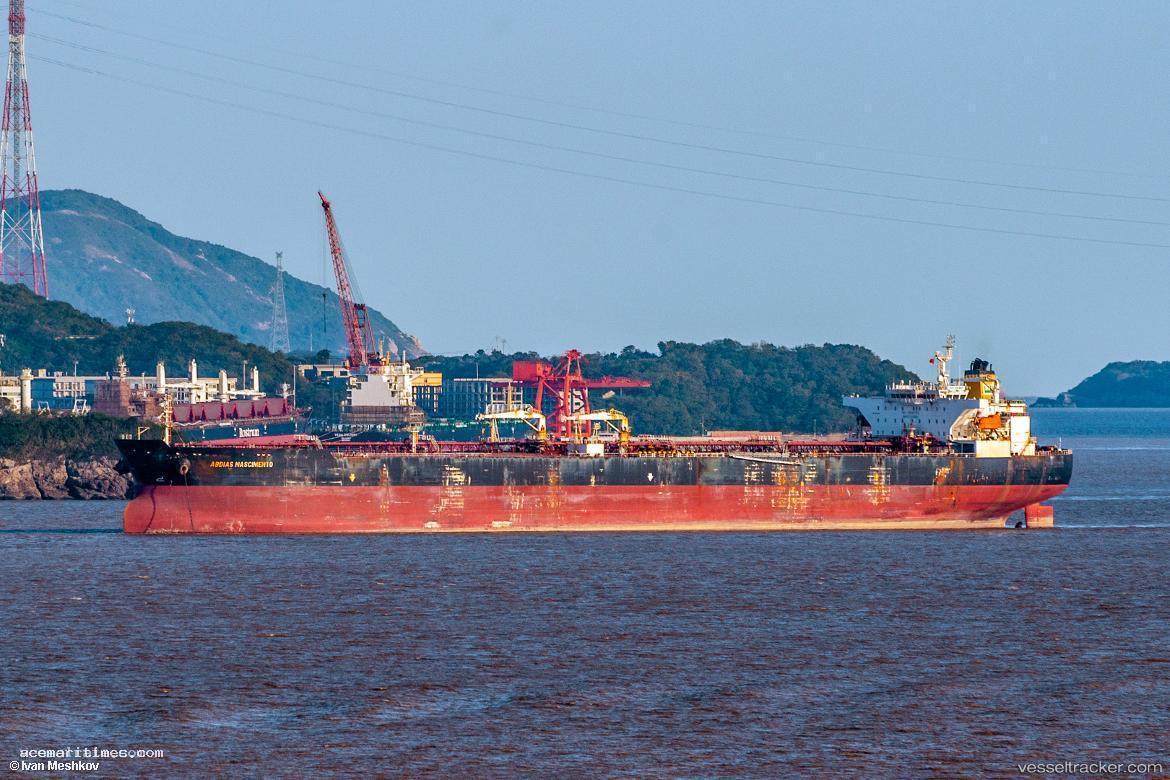
Reviews & Ratings for the Krasnoyarsk
IMO: 9312896
Crude Oil Tanker, Russia
Photos
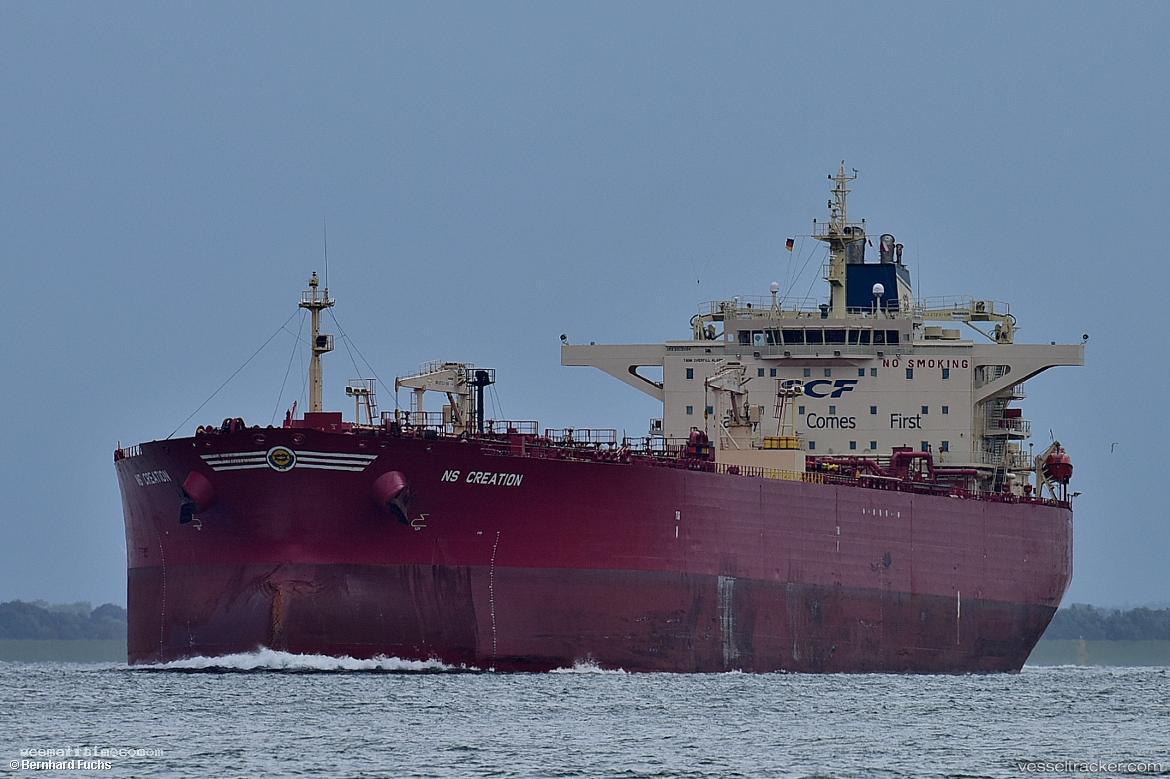
Vessel Details
MMSI
273257030
Callsign
UAWA8
Width
42.0 m
Length
244.0 m
Reviews (1)
Henry
2024-01-22
Position: Able Seaman
Advantages:
Looking for information about this vessel. Any thoughts on this vessel? Good food and quarters?
Disadvantages:
No personal experience yet, just gathering info.
Latest News (2)
UK Targets Russian Shadow Fleet with Sanctions on 30 Vessels
On November 25, the UK government took decisive action against illicit oil transport by sanctioning 30 vessels, including the 'Krasnoyarsk', linked to what is known as the Russian Shadow Fleet. These vessels have engaged in dubious oil transport operations that have generated over $4.3 billion in oil and derivatives in just the past year. The sanctions also extend to two Russian insurance firms, Alfastrakhovanie PLC and VSK, which have acted as facilitators for these operations. These measures aim to undermine Russia's capacity to fund its military actions in Ukraine by disrupting oil revenue streams. With this latest package, the UK's total count of sanctioned vessels within the Russian shadow fleet has reached 73, marking it as the country with the highest number of such sanctions globally. The UK government has urged other nations to join this initiative, and to date, 46 countries have responded affirmatively. The vessels of the shadow fleet are notorious for engaging in deceptive practices and are often poorly maintained, posing risks not only to themselves but to other vessels on the open seas. By cracking down on these ships and their insurance providers, the UK government aims to enhance maritime safety and clear shipping lanes of hazardous traffic. Under these new sanctions, the designated vessels will be barred from UK ports, and the authorities retain the right to dictate their movements or detain them when necessary. Additionally, these vessels will not be allowed to register under the UK Ship Register, with any existing registrations being revoked. Importantly, they will also be ineligible for price cap exemptions, even if involved in transactions that would otherwise qualify for the Oil Price Cap Exception. This comprehensive strategy marks a significant escalation in the UK's efforts to combat illicit maritime activities associated with the ongoing conflict in Ukraine.
USA Targets Sovcomflot: 14 Tankers Sanctioned Amid Price Cap Violations
In a significant move, the United States has sanctioned 14 tankers operated by the Russian shipping giant Sovcomflot. The vessels, which include 'Anatoly Kolodkin', 'NS Antarctic', 'NS Lion', 'Ns Consul', 'Ns Burgas', 'Ns Captain', 'NS Columbus', 'Sakhalin Island', 'Nevskiy Prospect', 'Georgy Maslov', 'Liteyny Prospect', 'Krymsk', 'Ns Creation', and 'Ns Bravo', now face a 45-day deadline to discharge their cargo, including oil. This action stems from allegations that Sovcomflot has breached the crude oil price cap imposed in December 2022. Sovcomflot, which has been managing an expanding fleet, has been under scrutiny for several months, particularly for its involvement in ship-to-ship (STS) transfer operations and the suppression of Automatic Identification System (AIS) signals, highlighting a pattern of smuggling operations. The U.S. Office of Foreign Asset Control (OFAC) has specifically identified these 14 tankers as part of the sanctions targeting the shipping industry linked to illicit Russian oil exports. These designated vessels are part of the 75 monitored by Oil Tankers SCF Management FZCO, which emerged as a successor to parts of the original SCF fleet that was required to divest or relocate its operations in light of international sanctions. The sanctions against Sovcomflot were initially enacted by several global entities, including the United Kingdom, European Union, Australia, Canada, and New Zealand, back in 2022, all seeking to restrict financial support for Russia’s military operations. Although these 14 tankers are restricted, OFAC has clarified that transactions involving the majority of Sovcomflot’s fleet, which consists of 147 ships, are not banned, allowing oil traders to continue using these vessels without risk of repercussions. The price cap on Russian oil aims to reduce the revenue generated from hydrocarbon sales without destabilizing the global oil market. Recently, reports indicated that Russia was selling its oil significantly cheaper, at a discount of $19 per barrel in January compared to Brent, and $12 to $13 in October, leading to a substantial decrease in expected oil revenues. Notably, despite the sanctions, Russian military expenditures have surged by 60%, raising questions about the effectiveness of the imposed measures due to insufficient enforcement. In December 2023, 196 tankers linked to this clandestine operation reportedly departed from Russian ports, with at least five new shipping companies from the United Arab Emirates commencing shipments of Russian crude since November. Since the imposition of the price cap in October, the U.S. Treasury has sanctioned 27 oil companies for noncompliance, indicating an ongoing international effort to curb illicit oil trafficking.
Frequently Asked Questions
🚫 Are there any sanctions against Krasnoyarsk?
Based on available news reports, Krasnoyarsk has been mentioned in connection with sanction-related incidents. There have been 2 news reports mentioning sanctions. For detailed information about specific incidents, please refer to the latest news section above.
🛢️ Did Krasnoyarsk have any oil spills or pollution incidents?
Based on available news reports, Krasnoyarsk has been mentioned in connection with spill-related incidents. There have been 2 news reports mentioning spills. For detailed information about specific incidents, please refer to the latest news section above.
Add a Crew Review
Similar Vessels You Might Be Interested In