Discover the Okeanos-Explorer: Ratings & Maritime News
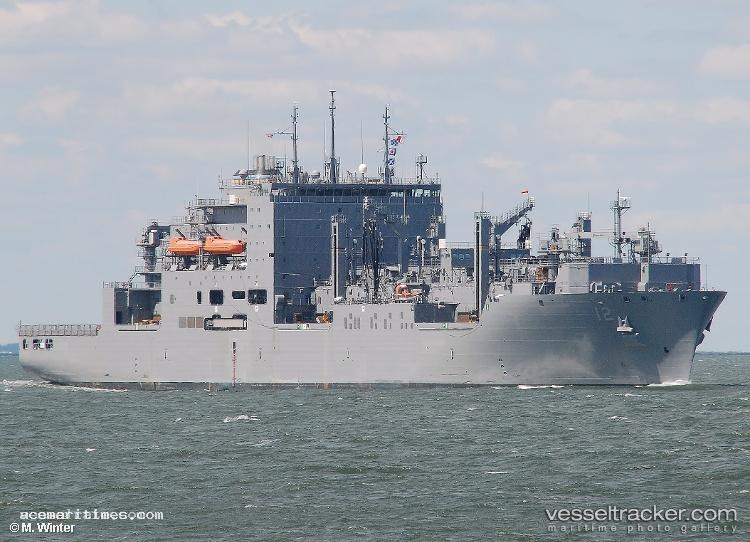
IMO: 8835114
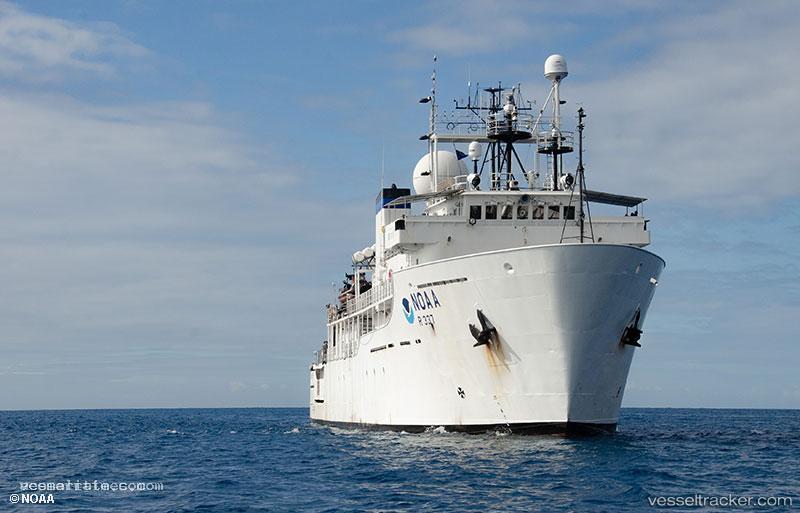
Research Vessel, United States of America
Photos
Vessel Details
MMSI
369888000
Callsign
WTDH
Width
12.0 m
Length
69.0 m
Reviews (1)
Noah
2025-01-21
Position: Fitter
Advantages:
Looking for information about this vessel. Has anyone worked on this boat? Any red flags?
Disadvantages:
No personal experience yet, just gathering info.
Latest News (2)
NOAA's Okeanos Explorer Unveils Stunning Find Inside USS Yorktown Wreck
On April 9, 2025, the NOAA research vessel 'Okeanos Explorer' embarked from Pearl Harbor to commence an extensive 28-day exploration of the Papahanaumokuokea Marine National Monument, a protected archipelago extending from Kau'i to Midway Atoll. This region is rich in historical significance, housing remnants from the pivotal WWII Battle of Midway in 1942, including the notable aircraft carrier USS 'Yorktown'. The scientific mission targets locations deeper than 200 meters, relying on remotely operated vehicles (ROVs) for access to these underwater sites. Commissioned in 1937, the 'Yorktown' embarked on her first patrol in the Pacific shortly after the attack on Pearl Harbor and engaged in key battles, including in the Marshall Islands and the Gilberts. The carrier was instrumental in the Battle of the Coral Sea, where she successfully sank the Japanese carrier 'Shoho' and inflicted damage on 'Shikaku'. During the critical battle at Midway in June 1942, the 'Yorktown' led the charge, with her bombers taking out the carrier 'Soryu'. Despite enduring several bomb and torpedo strikes that forced her crew to abandon ship, the 'Yorktown' remained afloat at first. Salvage efforts were hampered by a subsequent attack from a Japanese submarine, ultimately leading to her sinking on June 7, 1942. The wreck was located by renowned explorer Robert Ballard in 1998, and the recent NOAA mission aimed to capture more detailed footage of the ship. Upon surveying the hangar deck, ROV operators made an exciting discovery: a vehicle positioned on the starboard side, identifiable by its distinct square back, curved fenders, and a tattered soft top. The NOAA team speculated that this could be the flag vehicle of Admiral Frank Fletcher, as the USS 'Yorktown' was his flagship. The vehicle's chrome bumper and fender suggested it was more than just a standard military jeep; it is thought to be a 1940-41 Ford Super Deluxe 'Woody', a stylish civilian car accented with unique wood body trim. While the exact identification of the vehicle is still under investigation, the NOAA invites the public to assist in confirming its connection to Admiral Fletcher. For further visuals and insights, see the report here: https://www.maritime-executive.com/article/noaa-finds-a-flashy-car-inside-the-wreck-of-wwii-carrier-uss-yorktown.
NOAA Discovers Historic Shipwreck in Gulf of Mexico During Routine Tests
On May 16, 2019, an extraordinary maritime find was made by scientists from the National Oceanic and Atmospheric Administration (NOAA) while they were conducting standard tests with their new remotely operated vehicle (ROV), 'Deep Discoverer', aboard the 'Okeanos Explorer'. The team uncovered the well-preserved wreck of a wooden sailing vessel, dating back to the mid-1800s, situated approximately 160 miles off the coast of Florida, at a depth of around 500 meters near the dramatic drop-off of the Florida Escarpment. The sonar detection revealed the ship’s hull, still encased in copper sheathing, along with the rudder marked with the numbers "2109". Features like the design of the hull's bow and stern, along with remnants of the windlass, suggest it belonged to the mid-19th century. Although details regarding the ship's route, nationality, and crew remain elusive, preliminary evidence indicates that it may have succumbed to a fire that almost completely consumed it before sinking. The wreck site, situated in steep underwater terrain, is devoid of the rig's artifacts, decks, and personal belongings—possibly a result of the destructive fire. Interestingly, the copper sheathing appears to have preserved a degree of antifouling properties, largely keeping the hull free from marine growth. However, many of the wooden timbers seemed charred, and some fasteners were bent, hinting at the ship's tumultuous demise. During the dive, which was extended by three hours to gather additional data, marine archeologists from across the nation joined the effort to document this significant discovery. The ROV captured high-resolution video footage, and experts plan to thoroughly analyze the findings in the upcoming months to unveil more about this intriguing vessel's history. For more visuals and details about the vessel, check out the full report available here: https://edition.cnn.com/2019/05/30/us/shipwreck-1800-noaa-trnd/index.html.
Frequently Asked Questions
🔥 Were there any fires on Okeanos-Explorer?
Based on available news reports, Okeanos-Explorer has been mentioned in connection with fire-related incidents. There have been 1 news reports mentioning fire incidents. For detailed information about specific incidents, please refer to the latest news section above.
🌊 Did Okeanos-Explorer sink or have any sinking incidents?
Based on available news reports, Okeanos-Explorer has been mentioned in connection with sinking-related incidents. There have been 2 news reports mentioning sinking incidents. For detailed information about specific incidents, please refer to the latest news section above.
🏴☠️ Was Okeanos-Explorer involved in any pirate attacks?
Based on available news reports, Okeanos-Explorer has been mentioned in connection with pirate-related incidents. There have been 1 news reports mentioning pirate attacks. For detailed information about specific incidents, please refer to the latest news section above.
Add a Crew Review
Similar Vessels You Might Be Interested In