What Crew Members Say About Sakhalin
IMO: 9249128
Crude Oil Tanker, Russia
Photos
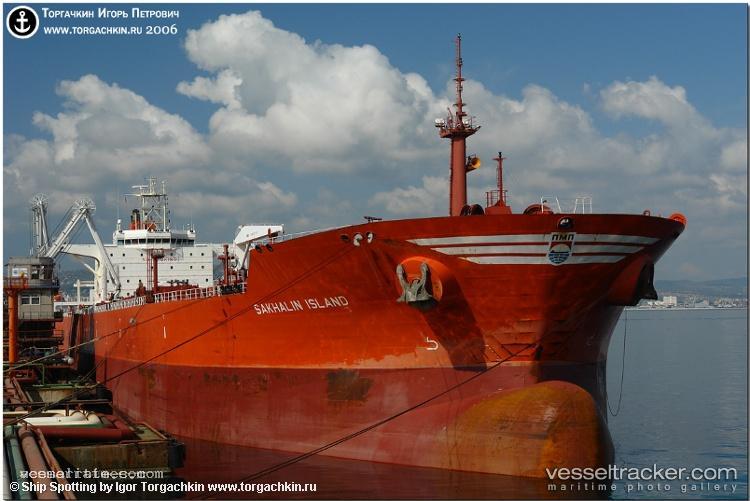
Vessel Details
MMSI
273259630
Callsign
UAZA5
Width
42.0 m
Length
244.0 m
Reviews (1)
Adam
2023-08-05
Position: Second Engineer
Advantages:
Looking for information about this vessel. Curious if anyone's sailed on this vessel? Was the pay decent?
Disadvantages:
No personal experience yet, just gathering info.
Latest News (2)
Historic Arrival: The Seventh Sanctioned Tanker Unloads Russian Oil in China
On March 27, 2023, at 5:30 a.m. UTC, the tanker 'Sakhalin Island' made headlines upon arriving at the Shihua Crude Oil Terminal in Tianjin, China. This vessel marked the culmination of a significant event, as it became the seventh and final tanker sanctioned by the United States to deliver Sokol oil to China. Prior to this, six other sanctioned tankers had successfully discharged their cargoes in China earlier in March, significantly contributing to a record surge in the country's imports of seaborne Russian oil. The journey of 'Sakhalin Island' commenced on March 25, after it had been anchored off the coast of Shandong province for over three weeks. This comes amid a notable glut of Sokol oil due to widespread U.S. sanctions, which have posed challenges for Russia's oil supply chains. In particular, more than 10 million barrels gathered from Sakhalin-1, a project operated by Rosneft (IMO: ROSN.MM), have remained in limbo due to payment complications and restrictions impacting shipping companies and vessels involved in transporting this crude. India, which had been a primary purchaser of Russian crude in 2023, pulled back from imports following the imposition of stricter sanctions. This shift has enabled China, the world's largest oil importer, to step in and procure the light sweet grade of Sokol crude oil, thus offsetting the expensive Iranian supply. Noteworthy Chinese companies that received Sokol shipments throughout March include industry giants such as Sinopec, PetroChina, Sinochem, CNOOC, and independent refiners based in Shandong. As a result, China's imports of seaborne Russian crude are expected to reach a staggering 1.816 million barrels per day in March, driven by impressive volumes from Far East Russian grades like Sokol, which accounted for 440,000 bpd, alongside 967,000 bpd of ESPO crude. Alongside the 'Sakhalin Island', the six additional vessels that successfully delivered Sokol crude in March were the 'Krymsk', 'Liteyny Prospect', 'Nellis', 'NS Antarctic', 'NS Century', and 'NS Lion'. Most of these tankers discharged their cargo under temporary waivers from U.S. sanctions, with operations linked to Sovcomflot, a shipping company targeted by U.S. penalties due to violations of the $60-per-barrel price cap on Russian crude oil exports. Post-delivery, the 'Krymsk' and 'Liteyny Prospect' were seen anchored off Nakhodka, while the 'Nellis', 'NS Antarctic', and 'NS Lion' were located near Yeosu. The 'NS Century' took up position off Qingdao, reflecting the broader impact of these maritime movements on global oil dynamics.
US Targets 14 Sovcomflot Tankers Amid Ongoing Sanctions
In a significant move, the United States has designated 14 tankers from Russia's Sovcomflot for sanctions, including well-known vessels such as 'Anatoly Kolodkin', 'NS Antarctic', 'NS Lion', 'Ns Consul', 'Ns Burgas', 'Ns Captain', 'NS Columbus', 'Sakhalin Island', 'Nevskiy Prospect', 'Georgy Maslov', 'Liteyny Prospect', 'Krymsk', 'Ns Creation', and 'Ns Bravo'. This decision gives the shipping giant 45 days to unload oil and other cargo. The sanctions target the firm for breaching the crude oil price cap that came into effect in December 2022. These tankers have garnered attention due to their handling of clandestine operations, often linked to illicit practices such as ship-to-ship (STS) oil transfers and disabling Automatic Identification Systems (AIS). The Office of Foreign Asset Control (OFAC) of the US Treasury has specifically listed 14 of these vessels, comprising 12 from the Oil Tankers SCF Management FZCO, a company that has absorbed part of Sovcomflot’s fleet after international sanctions forced actions to divest or redistribute vessels. Sovcomflot’s first instance of being placed on an international sanctions list by entities like the UK, EU, Australia, Canada, and New Zealand occurred in 2022, focusing on financial dealings related to long-term debt and equity. Although the designated tankers face strict restrictions, OFAC has allowed transactions involving the majority of Sovcomflot's remaining fleet, which includes a total of 147 ships. The price ceiling placed on Russian oil is intended to limit revenue from hydrocarbon sales without destabilizing international markets. Recent reports indicate that Russia sold its oil at a significantly reduced price, approximately $19 less per barrel compared to Brent crude in January, marking a substantial decline in revenue. Meanwhile, Russian military expenditure has surged by 60%, leading industry analysts to question the overall efficacy of these sanctions due to inadequate monitoring mechanisms. In the wake of these developments, 196 other tankers identified as part of a clandestine fleet departed from Russian ports in December 2023, with five new UAE-based shipping companies commencing operations to transport Russian crude as of November 2023. Since the implementation of the price cap in October, 27 oil companies have faced sanctions from the US Treasury.
Frequently Asked Questions
🚫 Are there any sanctions against Sakhalin?
Based on available news reports, Sakhalin has been mentioned in connection with sanction-related incidents. There have been 2 news reports mentioning sanctions. For detailed information about specific incidents, please refer to the latest news section above.
🛢️ Did Sakhalin have any oil spills or pollution incidents?
Based on available news reports, Sakhalin has been mentioned in connection with spill-related incidents. There have been 2 news reports mentioning spills. For detailed information about specific incidents, please refer to the latest news section above.
Add a Crew Review
Similar Vessels You Might Be Interested In