What Crew Members Say About Eagle-S
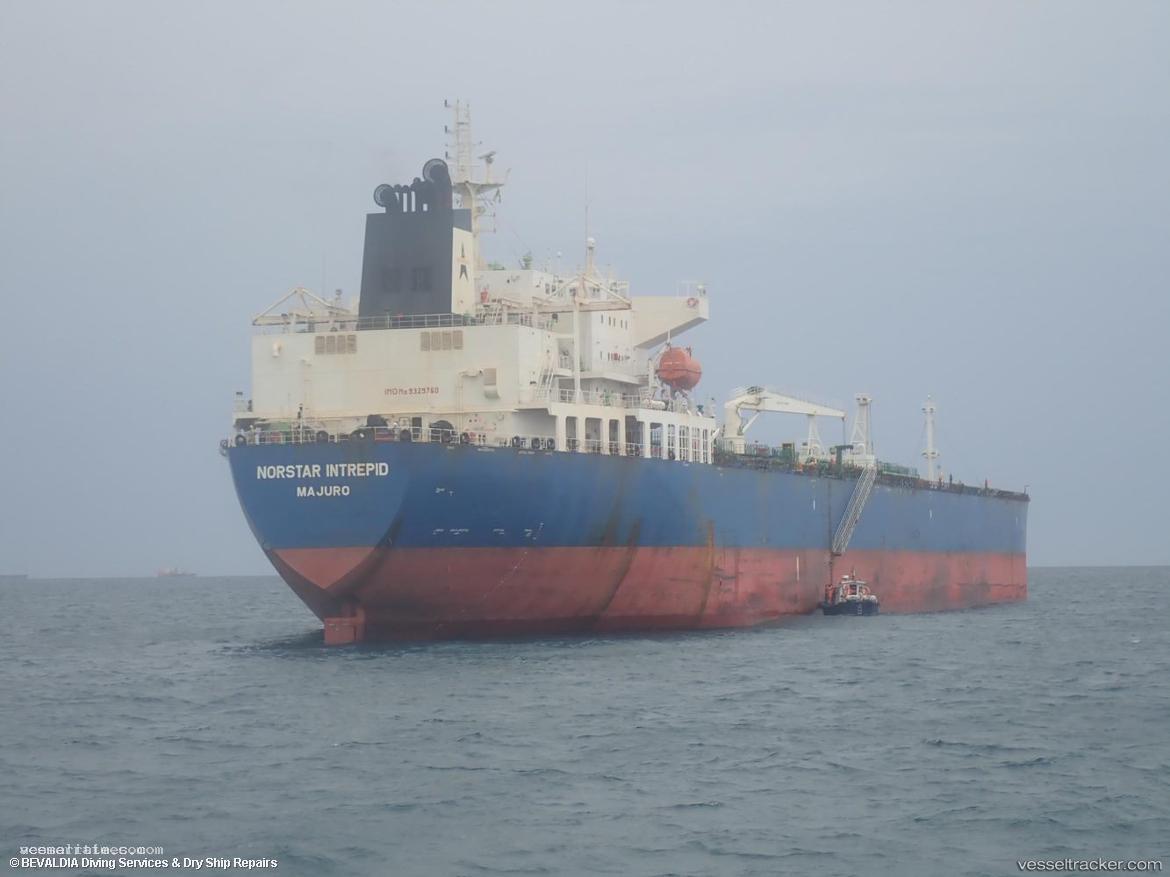
IMO: 9329760
Crude Oil Tanker, Cook Islands
Photos
Vessel Details
MMSI
518998865
Callsign
E5U4845
Width
33.0 m
Length
229.0 m
Reviews (1)
Jacob
2024-11-12
Position: Bosun
Advantages:
Looking for information about this vessel. Curious if anyone's sailed on this vessel? Would sail again?
Disadvantages:
No personal experience yet, just gathering info.
Featured Review Articles
Eagle-S: A Controversial Acquittal Sparks Calls for Maritime Law Reforms
Eagle-S, a vessel involved in a contentious legal battle, recently had its crew acquitted of charges related to damaging critical underwater infrastructure in the Gulf of Finland. A Finnish court's ruling on October 3 determined that the captain and...
Read Full ReviewThe Eagle-S Saga: Navigating Legal Waters and Allegations of Negligence
Eagle-S, a Georgian-operated tanker, has recently found itself at the center of a high-stakes legal battle following an incident on December 25, 2024, that resulted in significant damage to five undersea cables between Finland and Estonia. The vessel...
Read Full ReviewLegal Storm Brews as Eagle-S Faces Charges for Undersea Cable Damage
Eagle-S is currently under scrutiny as three of its senior officers might soon be facing criminal charges stemming from the vessel's alleged involvement in damaging subsea cables in the Baltic Sea. Since Christmas Day 2024, the vessel has been detain...
Read Full ReviewLatest News (14)
The Mystery of the 'Eagle S': Russian Tanker’s Troubled Voyage Ends at Aliaga
The saga of the 'Eagle S' reached a dramatic conclusion when the once infamous tanker was beached at Aliaga on November 12, just one day after its arrival from Port Said on October 25. This incident marks the end of a tumultuous history riddled with accidents and allegations of espionage. Originally launched as 'FR8 Pride' and operated by Singapore's FR8, the vessel made headlines in 2012 when it collided with the drilling rig 'Rowan EXL I' in Aransas Pass, Texas, due to an engine failure. The National Transportation Safety Board (NTSB) estimated damages from this incident to be between $16-17 million. In a further incident on September 25, 2014, while operating as 'LR Mimosa' under the charter of Panamax International Shipping Corporation, the tanker caused significant environmental harm by destroying a connection to a monobuoy terminal in Quintero Bay, Chile, leading to a crude oil leak of 39 tons. Recent investigations in 2024 uncovered claims about the presence of signals intelligence equipment aboard, suggesting potential espionage activities. Reports indicated high power consumption that could have overtaxed the ship’s generators, alongside suspicions of other hazardous materials being disposed of during previous transits through the English Channel. The vessel made another headline-grabbing appearance on December 25, 2024, when it crossed the Estlink 2 submarine cable in the Gulf of Finland, coinciding with a reported power outage. The Finnish Coast Guard intercepted the 'Eagle S', which was missing its port side anchor, and escorted it for inspection. Subsequent investigations by Finnish authorities revealed numerous deficiencies in the ship's technical conditions, including severe lapses in fire safety and navigation equipment. The situation escalated as Finnish police discovered drag marks along the seabed that indicated an anchor had been deliberately dragged over a distance of 50 nautical miles, potentially damaging five submarine cables. This investigation led to the detention of three crew members—a captain and two officers—who are now on trial in Helsinki. They have claimed that mechanical failures and poor weather, rather than sabotage, led to the incident. However, prosecutors argue otherwise, seeking a two-and-a-half-year prison sentence on charges of negligence. The European Union has pointed to the 'Eagle S' as part of a shadow fleet utilized by Russia to bypass the oil embargo initiated on December 5, 2022, and a price cap on Russian-origin oil products established on February 5, 2023. As the case unfolds, the eyes of the maritime world remain fixed on the implications of this high-profile incident.
Container Ship Grounded at Aliaga
On November 12, 2025, a container ship has been reported stranded at the renowned shipbreaking yard in Aliaga, Turkey. This event, widely discussed across maritime communities, has raised concerns regarding the environmental impact and safety measures in place at the site. You can view the latest updates and images from the scene on Facebook at the following link: https://www.facebook.com/photo/?fbid=10162216294055036&set=gm.10165726531838943&idorvanity=6884293942.
Criticism Mounts Over Acquittal of 'Eagle S' Crew for Underwater Sabotage
The recent acquittal of the crew from the tanker 'Eagle S' by the Helsinki District Court has sparked a wave of criticism among maritime law experts. The court found that international maritime law precluded Finland from taking action against the crew, who were accused of gross sabotage against underwater pipelines in the Gulf of Finland. Peter Wetterstein, a maritime law professor at Åbo Akademi University, expressed concern that the court may not have fully understood the complexities of the situation. Wetterstein asserts that Finland should possess the authority to take action against foreign vessels suspected of damaging critical infrastructure, such as pipelines and cables, particularly in light of the 'Eagle S' incident where the ship left Ust-Luga and dragged one of its anchors for an extensive 90 kilometers over the course of six hours. The vessel was alleged to have intentionally severed vital electrical and data cables located on the seabed between Finland and Estonia. In August, a trial commenced against three officers from the 'Eagle S', but the court ruled that despite the serious nature of the offenses, Finland lacked criminal jurisdiction since the incidents occurred on a foreign ship within its exclusive economic zone. The court's decision referenced the 1982 UN Convention on the Law of the Sea (UNCLOS), specifically Article 97, which designates the flag state as the holder of jurisdiction over navigation incidents in international waters, including exclusive economic zones. Wetterstein argues that international law grants Finland jurisdiction over the construction and operation of artificial islands and other infrastructure in its economic zone. He advocates for a dynamic interpretation of UNCLOS that would encompass gas pipelines and cables as artificial installations. "The coastal state has a vested interest in ensuring the integrity of its underwater cables and pipelines within its economic zone," Wetterstein emphasized. He also highlighted that the protection of essential services such as electricity and data communication is crucial for the coastal state's risk preparedness in the face of emerging cyber threats and potential sabotage.
Call for Regulatory Reform in Wake of Eagle S Ruling by Helsinki District Court
In light of the recent decision by the Helsinki District Court on October 3 regarding the 'Eagle S', maritime expert and navigation lecturer Magnus Winberg is advocating for urgent regulatory changes to combat the rising threat of the shadow fleet. The court ruled that Finland lacked jurisdiction over the case, which raised concerns about accountability in maritime operations. Winberg, anticipating this outcome, expressed hope that the Court of Appeal and the Supreme Court would revisit the matter to establish clearer legal precedents for handling similar incidents in the future. The case centered on allegations that the crew of the 'Eagle S' deliberately allowed the vessel's anchor to drag on the seabed, causing damage to several submarine cables. Winberg highlighted a disturbing possibility: if the anchor dragging was not an act of sabotage, it pointed to severe incompetence and a lack of sound seamanship practices aboard the ship. Despite the clear maritime conduct guidelines, the court cited a lack of jurisdiction because the incident occurred outside Finnish waters. The captain emphasized that the existing frameworks for maritime law differentiate between actions taken in international waters, managed by the flag state, and those in national waters, overseen by the port state. However, the emergence of the Russian shadow fleet, which includes the 'Eagle S' and others involved in transporting Russian oil, has circumvented these systems entirely. Many of these vessels operate without a flag or with negligent flag states that fail to ensure their seaworthiness. On October 9, the Attorney General echoed Winberg's concerns, publicly expressing dissatisfaction with the district court's ruling. This growing uncertainty about maritime governance, particularly surrounding the shadow fleet, raises significant implications for the shipping industry's integrity and safety. Winberg insists on the vital role of the International Maritime Organization (IMO) and the United Nations in shaping effective regulations to address these challenges in international waters, as the shipping industry's reputation hangs in the balance.
Finnish Court Dismisses Charges Against 'Eagle S' Crew in Gulf of Finland Incident
On October 3, 2023, a Finnish court made a significant ruling by dismissing the indictment against the captain and two officers of the 'Eagle S'. These individuals faced allegations of damaging vital underwater infrastructure in the Gulf of Finland back in December 2024. The charges stemmed from claims that the ship had dragged its anchor a staggering 90 kilometers across the seabed, resulting in damage to the Estlink 2 power cable and four data cables linking Finland and Estonia. The crew maintained their innocence, arguing that the anchor dropped due to unforeseen technical failures. The court's decision underscored that the damage transpired in international waters, rendering Finnish criminal law inapplicable in this case. Consequently, the substantial compensation claims, amounting to millions of euros, were also annulled. This incident is part of a broader pattern of underwater cable and pipeline damage occurrences in the Baltic Sea, particularly intensified since Russia's invasion of Ukraine. In response, NATO has escalated its surveillance efforts over the region's critical infrastructure, reinforcing defenses against the ongoing hybrid threats posed by Russia against Denmark and other European nations.
Court Proceedings Conclude in 'Eagle S' Subsea Cable Damage Case
On September 12, 2023, final statements were delivered in the Helsinki District Court concerning the ongoing trial of the captain and two officers from the tanker 'Eagle S.' The trio faces charges tied to negligence that allegedly resulted in damage to five subsea cables connecting Finland and Estonia on December 25, 2024. Initially, there was considerable speculation surrounding possible sabotage; however, the prosecution focused on command responsibility, opting against charges of intentional harm to the cables. The captain, along with the 1st and 2nd officers, has been charged with aggravated sabotage and aggravated interference with telecommunications due to an anchor-dragging incident. The trial commenced on August 25, and a ruling is expected on October 3. Since January 2025, the three officers have been under a travel ban preventing them from leaving Finland, although this restriction has since been lifted by the court, even as prosecutors argued for its continuation until a verdict is reached. The case highlights whether the captain and the officers should have recognized that the anchor was dragging. Investigators reported that poor maintenance and a malfunctioning safety pin on the chain stopper led to the anchor's drop. Conversely, defense attorneys asserted that the anchor windlass had been properly serviced and tested and had withstood severe storms prior to the incident in the Gulf of Finland. Prosecutors maintained that the officers should have perceived the issue when the vessel's speed declined during the anchor's drag. Meanwhile, the defense attributed the speed reduction to potential engine issues, a situation the prosecution contested, citing the absence of evidence for such mechanical problems. In closing arguments, prosecuting attorneys emphasized the captain's accountability for the ship's management while the two officers were on navigation watch during the anchor's extensive drag, measured at 55 miles across the seabed. The defense countered by pointing to the chief engineer—who is not on trial—as ultimately responsible for the machinery's condition, including the anchor. They also questioned why Finnish authorities delayed notification regarding suspicions of the anchor dragging. Additionally, jurisdictional issues were raised, debating whether the 'Eagle S' voluntarily entered Finnish waters. The defense claimed Finland's authority was inapplicable, as the damage occurred in international waters before police intervention brought the vessel into Finnish jurisdiction. Prosecutors are advocating for a custodial sentence of at least 2.5 years for each officer, citing the minor scale of the damage and the absence of intentional misconduct. The repair costs for the subsea cables totaled approximately €55 million, taking several months to complete. This incident has generated further intrigue due to subsequent suspicious activities, leading to claims of a coordinated effort by Russia for which NATO and Scandinavian nations have stepped up surveillance of critical assets.
Shipping Firm Under Fire as Captain Admits to Evidence Destruction Order
In a startling development, Captain Davit Vadatchkoria of the ship 'Eagle S', linked to Russian shipping interests, has been accused of following orders from his company to destroy critical evidence following the vessel’s seizure by Finnish authorities. This alarming directive is part of a broader investigation revealed by the Finnish Central Criminal Police (KRP) in the ongoing prosecution at the Helsinki Criminal Court. Captain Vadatchkoria, along with two senior officers, faces serious charges including aggravated criminal mischief and aggravated interference with communications. A wiretap transcript disclosed during the trials indicates that merely days after the ship was detained, the company's technical department instructed the captain to eliminate a list detailing subsea infrastructure that the 'Eagle S' had navigated over. The ominous warning stated, "So don't share this list with anyone, please. Destroy it. Because they will come back and demand compensation from you for all the damages." The captain confirmed his intention to comply with this order. Additionally, Finnish police disclosed that the VDR (Voyage Data Recorder) aboard the 'Eagle S' was out of service at the key moment when the vessel severed the Estlink 2 power cable. Initial investigations ruled out deliberate manipulation, attributing the malfunction to the aging ship’s systems, which were affected by Russian GPS interference. Prosecutors characterized the actions of the senior crew members as recklessly negligent, while the defendants have argued that what occurred was a regrettable but standard maritime accident, also questioning Finland’s jurisdiction over the matter.
Technical Failures and Undersea Cable Damage Involve 'Eagle S' in Gulf of Finland Incident
In a troubling development, the voyage data recorder (VDR) of the tanker 'Eagle S' was rendered inoperative during a critical phase when the ship caused significant damage to multiple undersea cables in the Gulf of Finland. This revelation comes from evidence released by the National Bureau of Investigation (KRP) as part of an ongoing criminal investigation linked to the incident. According to the KRP’s findings, the VDR was unable to document the exact moment when the vessel’s anchor severed the Estlink 2 electricity cable on December 25, 2024. The recorder only began functioning at 12:59 on that fateful day, while the ship had already breached Finland’s exclusive economic zone as early as 12:23 and crossed over Estlink 2, where the crucial damage occurred. Following the incident, KRP officials took custody of the VDR and initiated thorough technical evaluations, including attempts to recover any overwritten or erased data. Unfortunately, no viable recordings were retrieved for the timeframe between December 18 and 12:59 on December 25, a duration during which the vessel primarily navigated through Russian territorial waters. Investigators explored both the possibility of equipment malfunction and deliberate interference but found no indications of tampering. A thorough forensic analysis provided insight into the technical malfunction: the VDR system depended on a GPS time signal that experienced intermittent loss throughout the journey. Findings from law enforcement indicated that the onboard GPS receiver had reverted to an incorrect time—sometimes displaying the year as 2005—when it was unable to connect to a satellite signal. This malfunction led the recorder to delete existing files to conserve disk space. The GPS unit was identified as outdated, with origins tracing back to the early 2000s. According to Captain Davit Vadatchkoria's statements to investigators, the vessel lost GPS signal approximately one hour after crossing into Russian waters, with signal stability only returning at 12:59 on December 25. At this point, the VDR resumed standard recordings, capturing bridge communications. Just a few minutes later, at 1:05 p.m., the second mate alerted the captain to low engine revolutions. The final cable severing incident occurred later that evening at 6:43 p.m. The 'Eagle S' had initially anchored in St. Petersburg on December 21 before departing Ust-Luga with a fuel cargo on December 24.
Concerns Emerge Over Anchor Dragging Incident In Gulf of Finland During 'Eagle S' Trial
During the ongoing trial of Captain Stig Sundberg, the master of the vessel 'Eagle S', doubts have surfaced regarding the crew's awareness of an anchor dragging on the seabed. As the chairman of the Helsinki Shipmasters' Association, Sundberg emphasized that the noise generated by an anchor dragging would typically be difficult to ignore. He expressed skepticism that none of the crew members recognized that the anchor had been dragged for nearly a hundred kilometers. Sundberg also noted that if the anchor had fallen on the port side, it would have caused the ship to veer off course. Captain Davit Vadatchkoria, along with two mates, is facing potential sentencing of up to two and a half years in prison for allegedly severing five submarine cables in the Gulf of Finland. The captain denies all allegations, with defense attorney Tommi Heinonen positing that natural elements may have contributed to the anchor's descent into the water. The defense argues that the anchor could have inadvertently come loose due to the wear on the anchor windlass, without any crew involvement. Prosecutors contend that the defendants were aware of these deficiencies, placing the ultimate responsibility on Captain Vadatchkoria to ensure that the anchor was in proper working order. It is typically considered highly unusual for a master of a vessel to overlook a comprehensive inspection of the ship’s condition before departure. The trial proceedings concerning the 'Eagle S' are set to resume on August 27.
Captain Davit Vadatchkoria Asserts His Innocence in 'Eagle S' Incident
Davit Vadatchkoria, the Georgian captain of the tanker 'Eagle S', has publicly shared his account of the events leading up to the disruption of the Estlink 2 power cable connecting Finland and Estonia. Faced with allegations surrounding the incident, Vadatchkoria asserts he was unaware of any cable damage at the time his ship was intercepted. Earlier that evening, the Finnish Border Guard vessel 'Turva' approached the 'Eagle S' near Porkala, indicating that its anchor chain was out. In response, Vadatchkoria halted the vessel to retrieve the anchor, which, to his dismay, he discovered was missing—a situation he describes as one of the most distressing in his maritime career. Seeking guidance from 'Turva's' commander, he requested permission to proceed westward towards the Danish Strait, destined for Egypt with a cargo of unleaded gasoline and diesel oil. However, his request was denied, with the commander insisting that the 'Eagle S' should anchor in Finnish waters. Acknowledging that he was in international waters with limited Finnish jurisdiction, Vadatchkoria complied with the order for safety reasons. Upon anchoring, he anticipated that port authorities and representatives from his insurance would board the vessel in an orderly manner. Instead, he found himself directing his entire crew to the mess except for three senior officers. The situation escalated as helicopters boarded the tanker, and officials confiscated electronic devices, including computers and phones. The crew faced challenging conditions, sleeping on the mess floor for two nights while undergoing questioning. The aftermath of the ordeal saw one crew member in need of psychological support and another hospitalized for a blood clot. Shortly after, the 'Eagle S' was directed to Sköldvik near Porvoo for a port state inspection. Vadatchkoria claims he was coerced under duress to comply with these inspections, fearing arrest and complete loss of control over the ship and crew. As investigations unfolded, it became apparent that the 'Eagle S' was implicated in severing not only the electrical cable but also four communication cables, resulting in eight crew members being suspected of criminal activities. Prosecutors are targeting three officers—Captain Vadatchkoria and his first and second mates—with charges of aggravated sabotage and disruption of postal and telecommunications traffic. Alternative charges include aggravated damage and endangerment. Jukka Rappe, the Deputy Prosecutor General, indicated that while the actions may have been intentional, no evidence of conspiracy or external wrongdoing has emerged, as no financial ties to foreign entities have been identified. Vadatchkoria, alongside his legal team, has reviewed hundreds of pages of the preliminary investigation, maintaining that the incident was accidental and demanding a thorough technical investigation. He highlighted that adverse weather conditions may have put significant stress on the ship during the incident. While prosecutors argue that the crew should have detected the drifting anchor, Vadatchkoria contends that there were no indicators of movement or mechanical alarms that would suggest the anchor was dragging. Despite a slight reduction in speed at the time the cable was severed, he attributes this to external conditions, stating that nearby vessels experienced similar slowdowns. Currently, Vadatchkoria and his two co-suspects face a travel ban and reside in Helsinki as they await trial, scheduled to commence on August 25th.
Charges Filed Against Captain and Officers of 'Eagle S' for Undersea Cable Damage
On August 11, 2023, the Deputy Prosecutor General of Finland announced that serious charges have been leveled against the captain and two chief officers of the tanker 'Eagle S' for their involvement in the damage to five undersea cables on December 25, 2024. The captain, a Georgian national, along with the first and second officers, both of Indian nationality, face allegations of aggravated criminal mischief and aggravated interference with communications, alongside alternative indictments. As the case unfolds, the District Court is expected to release further details during the upcoming hearings. Investigations revealed that the 'Eagle S' had departed from the Ust-Luga terminal carrying a load of oil products when it apparently dragged its anchor along the seabed, traveling approximately 90 kilometers and causing significant damage to the cables. The prosecutors have indicated that this incident led to a severe disruption of services and resulted in repair costs exceeding €60 million. All three defendants have denied the allegations and have raised questions regarding Finland's jurisdiction over the incident, claiming that the damage occurred in international waters. They have been held in detention in Finland since the event. Initially, Finnish authorities apprehended nine individuals related to the incident, but their focus later narrowed to these three key officers. The Helsinki District Court is scheduled to set a date for the hearing, where it will also address the jurisdictional matters at hand.
Potential Charges Loom for Officers of 'Eagle S' by August
The legal saga surrounding the 'Eagle S' takes a significant turn as three detained officers may face charges by the end of August. Held in Finland since Christmas Day, these individuals were aboard the oil tanker when it inadvertently severed multiple subsea cables in the Baltic Sea. Jukka Rappe, Finland's deputy prosecutor general, announced that prosecutors are expected to finalize their decision on potential charges within the next two months. On June 13, the National Bureau of Investigation (NBI) confirmed the completion of its probe, firmly establishing suspicions of aggravated criminal mischief and aggravated interference with telecommunications against the officers, believed to be Georgian nationals. The vessel, linked to Russia, was seized after it dragged its anchor across nearly 62 miles of seafloor, raising concerns about Russian subversion and sabotage efforts in Europe. While the rest of the crew was released in March, these three senior officers have remained in custody. Under Finland's Criminal Code, aggravated criminal mischief carries a prison sentence ranging from two to ten years, while aggravated interference with telecommunications could result in imprisonment for four months to five years. The Office of the Prosecutor General will ultimately determine whether formal charges will be laid. Additionally, the 'Eagle S' underwent scrutiny from Traficom, the Finnish transport and communications authority, which identified several deficiencies related to crew living conditions and ship maintenance, particularly concerning fire safety, navigation equipment, and pump room ventilation.
Completion of Estlink 2 Submarine Cable Repairs Marks Key Milestone
The Estlink 2 submarine electricity transmission cable, linking Finland and Estonia, has successfully undergone repairs and is set to return to operation on June 20. This vital connection has been out of commission since December 25, 2024, prompting extensive repair work that commenced in mid-May. In the course of these repairs, approximately one kilometer of the damaged cable was replaced with a new section. The testing phase to reactivate the cable began on the evening of June 17 and has proceeded smoothly without any issues. Once the testing period concludes, the cable will transition into commercial operation. Although Estlink 2 has been offline since Christmas Day, electricity transmission between the two countries has continued, albeit at a reduced capacity of 650 megawatts. Investigations by the Finnish Central Criminal Police suggest that the damage may be connected to the vessel 'Eagle S,' which is associated with the Russian shadow fleet, and inquiries into the actions of three crew members have been initiated.
Finland's National Bureau of Investigation Completes Inquiry into Undersea Cable Damage Involving Tanker 'Eagle S'
On December 25, 2024, the Gulf of Finland became the site of a serious incident involving the tanker 'Eagle S', which has now led to allegations of criminal behavior against its crew. Finland's National Bureau of Investigation (NBI) has wrapped up its inquiry, determining that senior officers aboard the vessel are suspected of aggravated criminal mischief and significant interference with telecommunications. The focus of the investigation was on the timing of the tanker’s presence in the vicinity of the damaged undersea cables. Authorities have reported that thorough investigative measures—including evidence collection from the ship, seabed examinations, and interviews with the crew—have provided a detailed timeline of the events that transpired. Notably, the captain, chief mate, and second mate of the 'Eagle S' are under scrutiny for their roles in ensuring the safe navigation and operation of the vessel. Investigators have evaluated the crew's accountability regarding the ship's condition and whether they should have noticed the anchor falling overboard. This investigation has been characterized by robust collaboration with both local and international agencies, leading to a comprehensive understanding of the situation. The completed case has now been forwarded to the Office of the Prosecutor General for potential charges. For more detailed insights, you can view the report with visuals at https://safety4sea.com/finland-accuses-vessel-crew-of-damaging-undersea-cable/
Frequently Asked Questions
🔥 Were there any fires on Eagle-S?
Based on available news reports, Eagle-S has been mentioned in connection with fire-related incidents. There have been 3 news reports mentioning fire incidents. For detailed information about specific incidents, please refer to the latest news section above.
🌊 Did Eagle-S sink or have any sinking incidents?
Based on available news reports, Eagle-S has been mentioned in connection with sinking-related incidents. There have been 10 news reports mentioning sinking incidents. For detailed information about specific incidents, please refer to the latest news section above.
🤕 Were there any injuries or accidents on Eagle-S?
Based on available news reports, Eagle-S has been mentioned in connection with injury-related incidents. There have been 3 news reports mentioning injury incidents. For detailed information about specific incidents, please refer to the latest news section above.
🚫 Are there any sanctions against Eagle-S?
Based on available news reports, Eagle-S has been mentioned in connection with sanction-related incidents. There have been 1 news reports mentioning sanctions. For detailed information about specific incidents, please refer to the latest news section above.
🛠️ Did Eagle-S experience any breakdowns or mechanical failures?
Based on available news reports, Eagle-S has been mentioned in connection with breakdown-related incidents. There have been 5 news reports mentioning breakdowns. For detailed information about specific incidents, please refer to the latest news section above.
🏴☠️ Was Eagle-S involved in any pirate attacks?
Based on available news reports, Eagle-S has been mentioned in connection with pirate-related incidents. There have been 1 news reports mentioning pirate attacks. For detailed information about specific incidents, please refer to the latest news section above.
⚙️ Did Eagle-S have any engine problems?
Based on available news reports, Eagle-S has been mentioned in connection with engine-related incidents. There have been 8 news reports mentioning engine problems. For detailed information about specific incidents, please refer to the latest news section above.
💥 Was Eagle-S involved in any collisions?
Based on available news reports, Eagle-S has been mentioned in connection with collision-related incidents. There have been 3 news reports mentioning collisions. For detailed information about specific incidents, please refer to the latest news section above.
🛢️ Did Eagle-S have any oil spills or pollution incidents?
Based on available news reports, Eagle-S has been mentioned in connection with spill-related incidents. There have been 5 news reports mentioning spills. For detailed information about specific incidents, please refer to the latest news section above.
🚓 Was Eagle-S detained or arrested?
Based on available news reports, Eagle-S has been mentioned in connection with detention-related incidents. There have been 6 news reports mentioning detentions. For detailed information about specific incidents, please refer to the latest news section above.
Add a Crew Review
Similar Vessels You Might Be Interested In