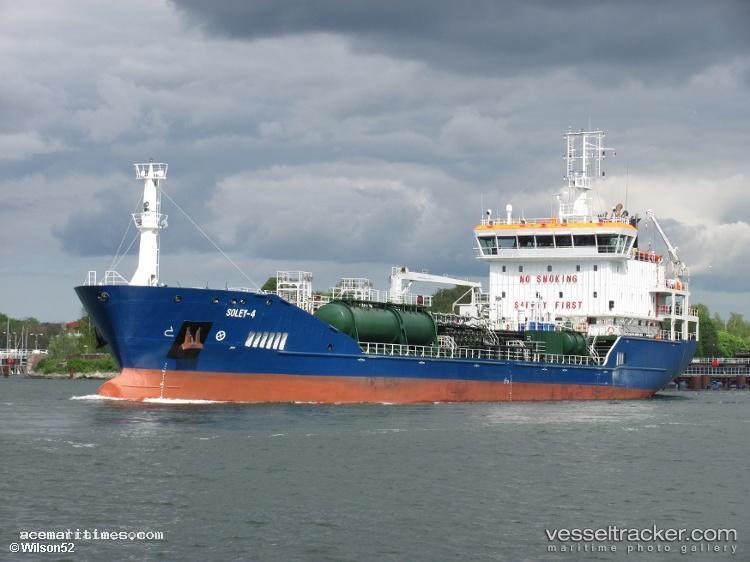
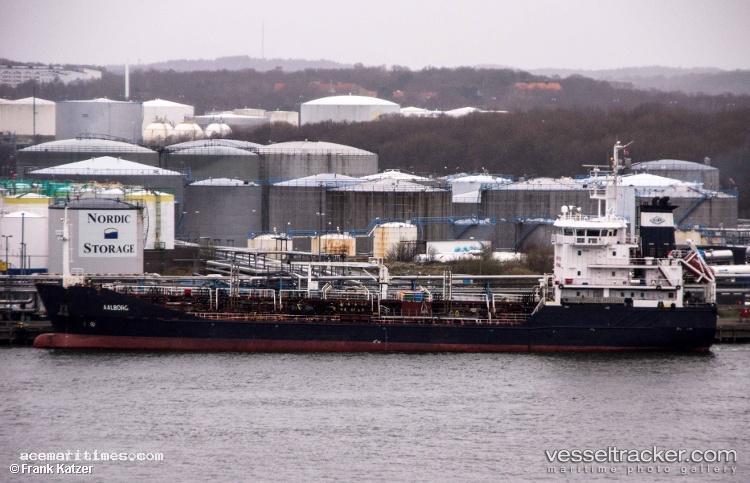
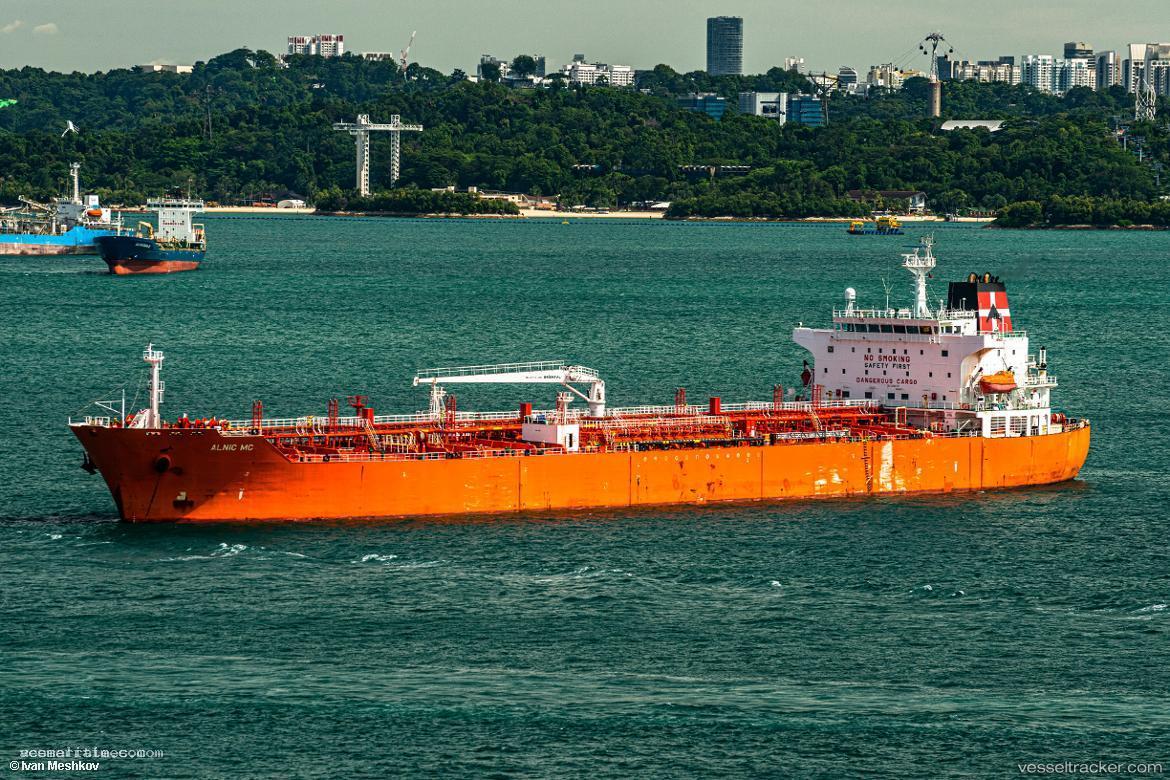
Complete Maritime Profile & Reviews of San-Remo
IMO: 9396725
Chemical Oil Products Tanker, Portugal
Photos
Vessel Details
MMSI
255916103
Callsign
D5NJ9
Width
32.0 m
Length
183.0 m
Reviews (1)
Steven
2024-09-26
Position: Steward
Advantages:
Looking for information about this vessel. Can someone share their experience on this boat? Was the pay decent?
Disadvantages:
No personal experience yet, just gathering info.
Latest News (3)
Alnic Mc Found 20% Liable in 2017 Collision with USS John S. McClain
In a significant ruling by a New York court, the tanker 'Alnic Mc' has been deemed 20% responsible for the tragic collision with the USS 'John S. McClain' on August 21, 2017. Following a non-jury trial held in November 2021, U.S. District Judge Paul Crotty concluded that while the destroyer bore the brunt of the fault at 80%, the role played by the tanker was non-negligible. This week, the court ordered the vessel's owner, Energetic Tank, with offices reportedly in Monrovia, Liberia, to compensate $44.6 million for their involvement in the incident, which led to the untimely deaths of 10 sailors and injuries to several others. The collision also imposed substantial financial losses, with the damages to the USS 'John S. McClain' estimated at $185 million and $442,445 to the 'Alnic Mc'. Energetic Tank argued in court that the collision was largely due to U.S. negligence, asserting the Navy's responsibility for the accident. While the U.S. acknowledged some accountability on its part, it emphasized the shared responsibility of the 'Alnic Mc'. Pending any objections, a forthcoming trial aims to fairly distribute the financial restitution to the victims and their families. A total of 41 wrongful death and personal injury claims have already been initiated in connection with the incident. The National Transportation Safety Board (NTSB) has identified the primary cause of the collision as a lack of effective operational oversight from the U.S. Navy, which it stated resulted in inadequate training and insufficient bridge operating procedures. To prevent future occurrences, the NTSB has recommended the implementation of robust safety measures.
USS John McCain Set to Rejoin Fleet After Three-Year Recovery from Collision
After a challenging three-year journey following its tragic collision with the 'Alnic MC', the USS 'John McCain', an Arleigh Burke-class guided-missile destroyer, is gearing up for its next deployment. This pivotal moment comes after the ship completed its basic phase certification this month, allowing it to operate in the vital Asia-Pacific region for the first time since the incident on August 21, 2017, near Singapore. This milestone not only marks a significant return for the Navy destroyer but also embodies a renewed commitment by the naval service to rebuild trust in its leadership. The USS 'John McCain' shares a somber history with the USS 'Fitzgerald', which experienced a separate deadly collision off the coast of Japan just weeks prior to the 'John McCain's accident. Recently, the 'Fitzgerald' departed from a Mississippi shipyard, heading towards its new homeport in San Diego. Over the past 25 weeks, the 'John McCain' crew engaged in rigorous training designed to address deficiencies identified during investigations into the 2017 incidents. Their training encompassed 23 critical areas that required enhancement, reflecting the Navy's determination to improve safety and operational effectiveness. Changes implemented include revamped individual and unit training programs, updated career path options, and an increased emphasis on professional seamanship and navigation skills. An innovative aspect of the USS 'John McCain's operational strategy is the introduction of a circadian watch bill intended to guarantee crew members receive adequate rest—an essential element highlighted in post-collision investigations. Additionally, the Navy has transformed its ship navigation training, significantly increasing the time sailors spend in simulators to prepare them for real-life maritime challenges. Before their certification, the crew underwent over 200 hours of intensive simulated training using the advanced Navigation, Seamanship and Shiphandling Trainer. This preparation allowed them to practice complex maneuvers such as underway replenishments and navigate through high-traffic scenarios. Investigators pinpointed a critical reason for the 'John McCain's collision as a breakdown in leadership situational awareness amidst busy maritime routes. Before rejoining the fleet, the crew of the 'John McCain' faced a demanding high-stress evaluation, ensuring they were fully prepared for their return to sea operations. With this renewed focus on training and leadership, the USS 'John McCain' is poised to reestablish its operational presence and commitment to safeguarding maritime security.
NTSB Reveals Causes Behind USS John S McCain and Alnic MC Collision in Singapore Strait
On Monday, the National Transportation Safety Board (NTSB) announced its findings regarding the tragic collision that occurred on August 21, 2017, involving the USS John S McCain and the chemical tanker Alnic MC. The investigation pinpointed the primary culprits as insufficient training among personnel, poor bridge operating procedures, and a notable lack of operational oversight. This catastrophic incident resulted in the loss of ten sailors from the USS John S McCain, with an additional 48 crew members suffering injuries during the mishap, which transpired in the Middle Channel section of the Singapore Strait Traffic Separation Scheme. Remarkably, the crew aboard the Alnic MC emerged unharmed. The financial repercussions of the crash were significant, with damages estimated to exceed $1.2 million. Fortunately, the incident did not lead to any pollution incidents. The collision occurred when the USS John S McCain, a Navy destroyer of the Arleigh Burke class, which is homeported at Yokosuka, Japan with a crew of 280, and the Alnic MC, a Liberia-flagged chemical tanker with 24 crew members, were both navigating toward Singapore's westbound lane within the busy Singapore Strait Traffic Separation Scheme. This strait is recognized as one of the busiest maritime routes globally, witnessing over 83,700 vessels exceeding 300 gross tons in 2016 alone.
Frequently Asked Questions
🤕 Were there any injuries or accidents on San-Remo?
Based on available news reports, San-Remo has been mentioned in connection with injury-related incidents. There have been 2 news reports mentioning injury incidents. For detailed information about specific incidents, please refer to the latest news section above.
🛠️ Did San-Remo experience any breakdowns or mechanical failures?
Based on available news reports, San-Remo has been mentioned in connection with breakdown-related incidents. There have been 2 news reports mentioning breakdowns. For detailed information about specific incidents, please refer to the latest news section above.
🏴☠️ Was San-Remo involved in any pirate attacks?
Based on available news reports, San-Remo has been mentioned in connection with pirate-related incidents. There have been 1 news reports mentioning pirate attacks. For detailed information about specific incidents, please refer to the latest news section above.
💥 Was San-Remo involved in any collisions?
Based on available news reports, San-Remo has been mentioned in connection with collision-related incidents. There have been 3 news reports mentioning collisions. For detailed information about specific incidents, please refer to the latest news section above.
🛢️ Did San-Remo have any oil spills or pollution incidents?
Based on available news reports, San-Remo has been mentioned in connection with spill-related incidents. There have been 1 news reports mentioning spills. For detailed information about specific incidents, please refer to the latest news section above.
Add a Crew Review
Similar Vessels You Might Be Interested In